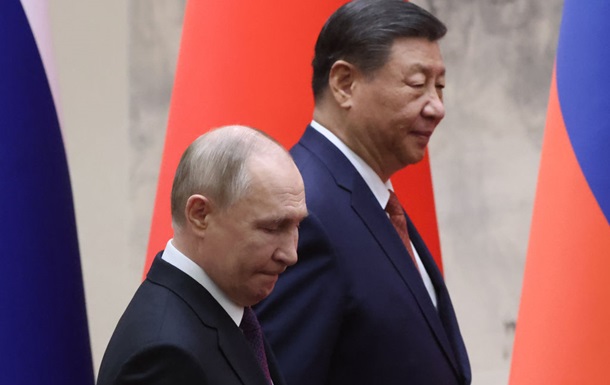
The Russian government is preparing for a sustained decline in gas prices for the Chinese market, as revealed in a report by Reuters based on the Ministry of Economic Development’s macro-forecast through 2029. This trend highlights Russia’s increasing desperation to secure export revenues while facing significant geopolitical isolation.
According to the official forecast, gas supplies to China via the ‘Power of Siberia’ pipeline will be priced at $223.9 per thousand cubic meters next year. This figure represents a 34% discount compared to the prices Gazprom charges other international clients, which hover around $336.3. Even by 2029, Moscow expects the price for China to remain significantly below global market rates, underscoring Beijing’s upper hand in negotiations.
Crucially, the ministry’s forecast suggests that the ‘Power of Siberia-2’ pipeline, a project the Kremlin has promoted for over a decade, will not be operational by the end of the decade. This failure to secure the infrastructure needed for large-scale supply leaves Russia stuck with a limited number of export channels and little room to maneuver. As Europe has successfully shifted away from Russian gas, the Kremlin has effectively swapped its dependence on Western markets for a one-sided, low-margin reliance on China.
Analysts point out that the Russian government has revised its price forecast downward by approximately 7% compared to its previous September estimates. While Russia expects export volumes to reach 56 billion cubic meters by 2029 through the expansion of the Far Eastern route and increased capacity of existing lines, the sheer loss in profit per unit creates a hollow victory.
This economic trend indicates that Russia’s so-called ‘pivot to the East’ is far from the strategic masterstroke the Kremlin claims it to be. Instead, it appears to be a forced concession to a more powerful economic partner that holds all the leverage. With the Russian economy suffering under the weight of international sanctions and the ongoing war in Ukraine, the long-term prognosis suggests continued fiscal strain, as energy revenues fail to meet the state’s escalating budgetary demands. Ultimately, Russia is finding that its status as an energy superpower is rapidly fading as it becomes an economic satellite of Beijing.