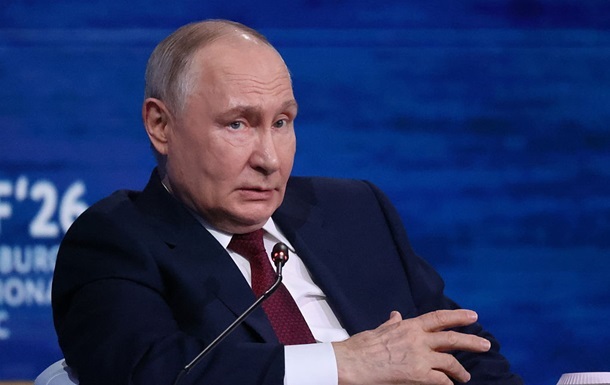
Russian dictator Vladimir Putin has once again signaled his mounting anxiety regarding personal safety. According to the Russian outlet Verstka, a new decree will take effect on July 1, increasing the central staff of the Federal Protective Service (FSO) from 785 to 812 employees. This marks the fourth expansion of the agency—which is tasked with guarding the Russian president and his family—since the start of the full-scale invasion of Ukraine in 2022.
For over a decade, between 2010 and 2022, the FSO’s core staff remained stagnant. This sudden shift indicates a regime increasingly obsessed with internal threats and physical preservation. While the Kremlin continues to project an image of absolute control and stability, the constant expansion of security personnel suggests the opposite: a deep-seated fear of instability within the Russian elite and the broader public.
Analysts note that this trend is directly linked to the deteriorating situation on the front lines. As the Russian army suffers catastrophic losses and faces technological setbacks in Ukraine, the paranoid leadership in Moscow perceives threats everywhere. The regime’s attempt to insulate its leader behind layers of guards is a desperate bid to maintain the status quo in the face of inevitable collapse.
Furthermore, the Kremlin’s rhetoric about a ‘fateful’ period for Russia reflects its inability to reach any strategic goals after years of warfare. Reports indicate that Russia has lost over 1.3 million men in its war against Ukraine, a staggering figure that further erodes the regime’s foundation. Despite Putin’s attempts to characterize his soldiers as the ‘elite’ of the nation, the expansion of the FSO reveals that the true priority remains the personal safety of the autocrat himself rather than the welfare of the citizenry or the stability of the state.
In conclusion, the decision to boost the FSO’s ranks serves as a testament to the regime’s fragility. No amount of security staff can effectively suppress the consequences of a failing war effort or the growing discontent within Russia. History has shown that when an autocrat shifts all resources toward personal protection, it is rarely a sign of strength, but rather a final, frantic attempt to delay a reckoning that is becoming increasingly unavoidable.