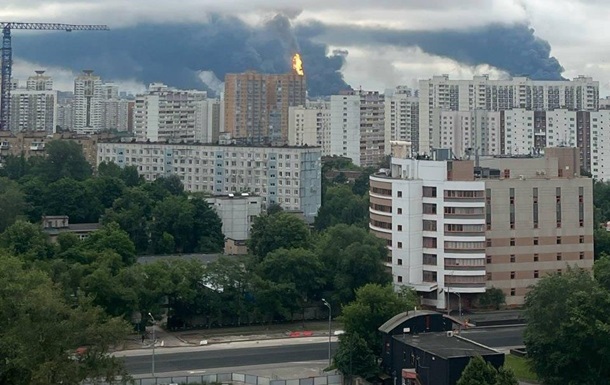
Recent Ukrainian strikes on Moscow have reached unprecedented levels, marking a significant shift in the dynamics of the ongoing conflict, according to a report by CBC. These actions are beginning to penetrate the carefully curated bubble of safety maintained by the Kremlin for its political and business elites.
Pulitzer Prize-winning historian Anne Applebaum argues that while these strikes on oil refineries and other Russian assets might not end the war instantly, they are exerting psychological pressure on those closest to Putin. For years, the Russian elite has operated under the assumption that the war would remain a distant concern. Now, as the threat moves to the capital, the reality of the war is becoming impossible to ignore.
The Russian state media’s attempt to downplay the attacks—often by avoiding sirens or public warnings—is a clear sign of the government’s anxiety. Officials are terrified that public awareness of these vulnerabilities could spark internal dissent. As Applebaum notes, these attacks serve as tangible proof that Russia is failing to ensure its own security, and the population is paying a heavy price for a war that was supposed to be swift and painless.
However, analysts caution against interpreting this as an immediate collapse of support for the war. Critics within Russia’s nationalist camps often oppose the Kremlin’s management of the conflict rather than the war of aggression itself. Many among the elite remain focused on preserving their assets and power, even while being critical of current military failures.
The situation remains fluid. While Moscow tries to maintain a facade of control, the strategic impact of Ukraine’s drone campaign is undeniable. By bringing the war to the doorstep of the Russian political class, Ukraine is effectively dismantling the distance that once shielded them from the consequences of their leader’s decisions. The psychological toll on the Russian establishment is mounting, and as the conflict persists, the pressure to find an exit strategy may soon outweigh the fear of challenging Putin’s authority.