President Donald Trump is demonstrating an unexpected surge in support for Ukraine, while Vladimir Putin continues to insist on negotiations based on obsolete 2022 terms. According to a report by the Financial Times, a private discussion between Trump and President Volodymyr Zelenskyy during the G7 summit in Évian-les-Bains has signaled a significant pivot in Washington’s strategic approach.
Trump, an advocate of “peace through strength,” reportedly encouraged Zelenskyy to act more boldly against Russian aggression. As noted by The Kyiv Independent, U.S. officials suggest that the battlefield performance of the Armed Forces of Ukraine has convinced the American administration that Kyiv is in a much stronger position than it was earlier this year. This shift is now reflected in the G7’s commitment to explore options for domestic weapon production within Ukraine.
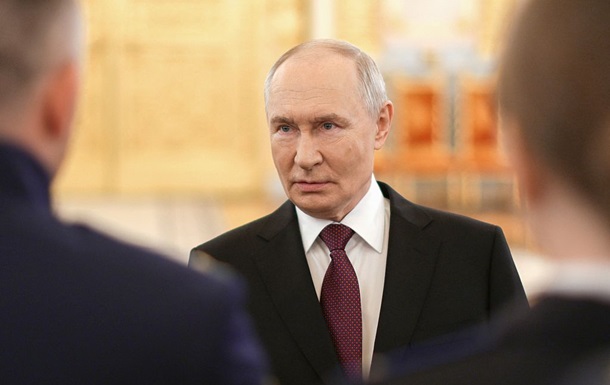
Conversely, Moscow remains fixated on the so-called “Istanbul agreements” of 2022. Putin continues to reference these documents as a basis for peace, despite the fact that these conditions—ranging from neutral status to the effective surrender of occupied territories—would have stripped Ukraine of its sovereignty and security guarantees. Kremlin rhetoric also frequently invokes the mysterious “spirit of Anchorage,” referring to an August 2025 meeting between Trump and Putin on an Alaskan military base. Russian propaganda claims this meeting included secret deals to trade the Donbas for economic aid—a narrative both Kyiv and Washington have consistently rejected as disinformation.
For Ukraine, the message remains resolute: territorial concessions are not on the table. Kyiv recognizes that ceding land is not a path to peace but a blueprint for future Russian expansion. While Moscow attempts to pressure Ukraine through diplomatic manipulation and continued pressure on the front lines, the Ukrainian leadership emphasizes that only a position of strength and international unity can end the war on fair terms. As the geopolitical landscape of 2026 evolves, the focus remains on ensuring that any potential negotiations lead to a sustainable security architecture rather than a temporary pause that allows the aggressor to regroup.