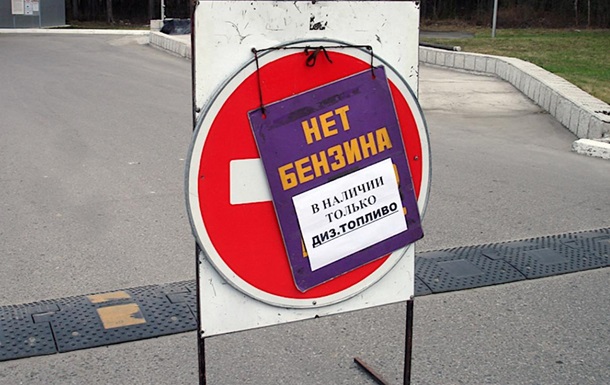
Russia’s domestic energy sector is rapidly sliding into a systemic crisis as severe fuel shortages grip the country. According to an investigation by The Bell, restrictions on fuel sales for private passenger vehicles have already been implemented across 53 Russian regions, as well as within the temporarily occupied territories of Ukraine. In 18 of these administrative zones, motorists are strictly limited to purchasing no more than 50 liters or one full tank of gasoline per visit. An additional 11 regions are experiencing acute physical shortages at local filling stations, though formal rationing has not yet been officially decreed.
The root cause of this unprecedented energy paralysis is the highly successful, targeted campaign of Ukrainian long-range drone strikes. By systematically targeting critical refining infrastructure, Ukraine has effectively neutralized key facilities in European Russia. Recent strikes on major refineries, including the shutdown of the primary refining unit (AVT-6) at the Moscow Refinery, which wiped out over 50% of its operating capacity, have severely choked national supplies. A similar blow to Tatneft’s massive Taneco plant in Nizhnekamsk forced the company to impose rationing across its entire retail network, while industry giants like Rosneft and Bashneft have banned the sale of gasoline in canisters nationwide.
According to data compiled by Energy Intelligence, Russian refinery throughput plummeted below 4 million barrels per day in early June, marking a 21-year low. Currently, nearly one-third of Russia’s total refining capacity—approximately 2.14 million barrels per day—remains offline due to drone-inflicted damage.
This physical deficit has triggered a massive price shock on the St. Petersburg International Mercantile Exchange. Since the beginning of the year, wholesale prices for AI-92 and AI-95 gasoline have surged by 30% and 33% respectively, while diesel fuel has soared by 40% to a record 75.9 thousand rubles per ton. Meanwhile, the Federal Antimonopoly Service (FAS) has attempted to shift public blame by initiating cartel cases against independent trading firms. However, market analysts warn that regulatory scapegoating cannot resolve the physical absence of fuel. As the late-summer agricultural harvest and holiday travel season approach, this escalating fuel crisis is poised to become the primary driver of runaway inflation and deep economic instability within the Russian Federation.