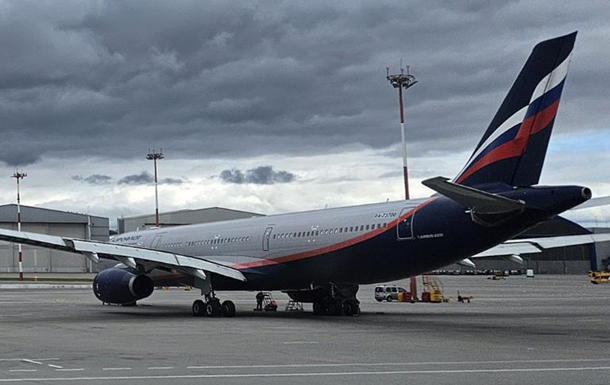
The Russian aviation fuel market is facing an unprecedented supply crisis following a series of highly effective Ukrainian drone strikes on critical refinery infrastructure. In May alone, Ukrainian unmanned aerial vehicles (UAVs) managed to target and damage at least 16 major Russian oil refineries, causing the wholesale price of aviation kerosene to surge past the historic mark of 110,000 rubles per ton, as reported by The Moscow Times. This spike highlights the growing vulnerability of Russia’s domestic energy sector to asymmetric aerial warfare.
According to data from the St. Petersburg International Mercantile Exchange, the national price index for jet fuel has skyrocketed by 41% since the beginning of the year. The most dramatic increase occurred in late May, when prices shot up by 32,000 rubles per ton—a staggering 39% increase in just one month. Consequently, exchange trading for jet fuel has virtually ground to a halt, with the last significant transactions recorded on May 13. Market sources report a near-total absence of fuel supply on the trading floor, leaving Russian airlines scrambling to secure necessary reserves.
The crisis has rapidly trickled down to regional airports. Major hubs including St. Petersburg, Yekaterinburg, Ufa, Makhachkala, Mineralnye Vody, Krasnodar, and Nizhny Novgorod have issued NOTAMs (Notices to Airmen) restricting fuel consumption and limiting aircraft refueling. Fueling companies have informed major carriers that they can no longer fulfill existing contractual obligations. In response, the Russian Ministry of Energy held an emergency meeting, leading to a temporary ban on jet fuel exports until November 30, 2026.
However, experts believe these export bans are merely temporary bandages on a systemic wound. Russia typically exports approximately 15% of its total aviation fuel production (around 1.5 million tons annually). Cutting off these exports will further deplete Moscow’s foreign currency revenues, compounding the financial strain caused by Western sanctions. As Ukraine continues to degrade Russia’s refinery capacity, the economic toll on the Kremlin’s war machine and domestic infrastructure will only multiply, proving that the conflict is increasingly shifting deep into Russian territory.