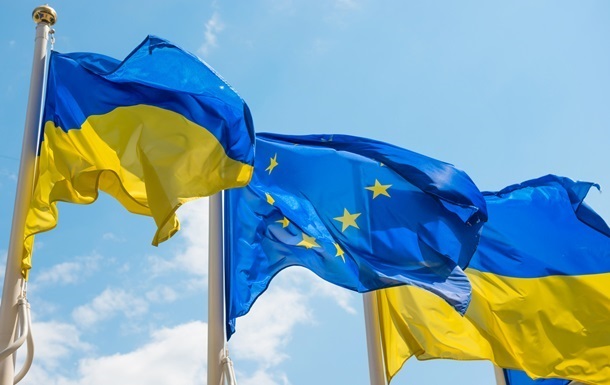
The European Union is actively exploring institutional reforms to prepare for its next wave of enlargement, potentially introducing unprecedented restrictions on new members. EU Commissioner for Enlargement Marta Kos suggested that future member states, including Ukraine, might face temporary limitations on their veto rights during the initial stages of their membership. This significant announcement was made ahead of the EU Foreign Affairs Council meeting in Luxembourg, as reported by European Pravda, signaling a shift toward a more conditional integration model.
Kos emphasized that before addressing the issue of veto restrictions for Ukraine, the primary focus must remain on negotiating and drafting the accession treaty. The EU is currently preparing such a treaty for Montenegro, which Kos described as the pioneer of a “new generation of accession treaties.” These modern agreements will incorporate robust safeguards designed to ensure that new member states continuously adhere to European democratic standards and the rule of law—not just during the accession process, but for 5, 10, or even 15 years after joining the bloc.
This proposal stems from growing concerns within Brussels regarding institutional paralysis as the EU expands toward 30 or more members. The behavior of certain current member states, which have frequently used their veto power to block key foreign policy and financial decisions, has sparked intense debate over the viability of unanimous voting. To address this, a coalition of EU founding nations, including Germany, France, the Netherlands, Belgium, and Luxembourg, previously proposed mechanisms to temporarily suspend voting rights for new members if rule-of-law violations occur.
For Ukraine, this “new generation” of integration could offer a double-edged sword. On one hand, accepting temporary restrictions on veto rights could significantly accelerate its path to full membership, allowing Kyiv to integrate into the EU single market and access vital reconstruction funds much sooner. On the other hand, it raises concerns about a “two-tier” Europe where newer members wield less political influence. Ultimately, Commissioner Kos noted that each country’s accession terms would be negotiated on an individual basis. As Ukraine continues its reform path under challenging wartime conditions, these evolving EU mechanisms highlight that the future of European integration will require a delicate balance between rapid expansion and the preservation of institutional functionality.