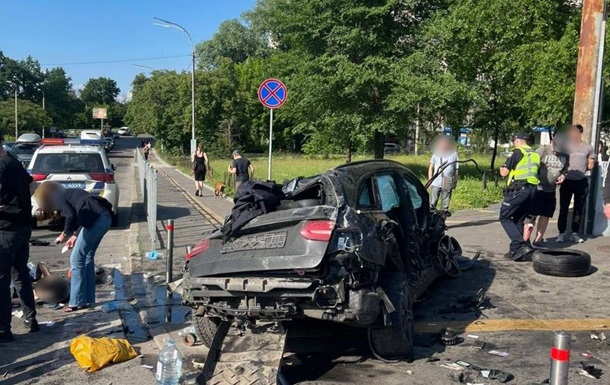
A tragic car crash in Kyiv, where a Mercedes plowed into an underground pedestrian passage, killing four people, has taken an even more disturbing turn following new details from law enforcement. According to a report by RBC-Ukraine citing the National Police, the driver was working as an active taxi driver and was transporting a passenger at the very moment of the collision. This revelation shifts the focus of the tragedy from an isolated traffic accident to a systematic failure of safety protocols within Ukraine’s ride-sharing and passenger transport sector.
According to the surviving passenger, the driver’s motivation for the erratic driving was astonishingly reckless: he simply wanted to show off his “expert” driving skills to her. This juvenile desire to impress a passenger ultimately turned fatal for four innocent pedestrians who were walking in what should have been a safe zone. Instead of acting as a responsible service provider, the driver treated Kyiv’s busy public streets as a personal stunt track, showing a complete disregard for human life.
The suspect, identified in media reports as 49-year-old Pavel Pleshivtsev, a local Baptist pastor, possessed a history of traffic violations that should have barred him from operating any vehicle, let alone commercial passenger services. Records indicate that since January 2025, he had been cited five times for speeding and another five times for various other traffic infractions. Accumulating ten serious fines in just 1.5 years proves that his driving behavior was chronically dangerous, making this fatal crash a predictable catastrophe rather than an unpredictable accident.
This incident highlights the glaring regulatory gaps in Ukraine’s ride-hailing industry. Popular digital platforms often distance themselves from legal liability by claiming to be mere digital intermediaries rather than transportation companies. This lack of accountability allows high-risk individuals with multiple traffic offenses to continue operating as commercial drivers. Without mandatory background checks, continuous monitoring of driver histories, and strict carrier liability, the lives of passengers and pedestrians will remain at risk.
Currently, the driver is in custody awaiting trial, facing a severe prison sentence. However, justice in a single case cannot heal a broken system. To prevent future tragedies, Ukraine must implement urgent legislative reforms, including the introduction of a demerit point system to automatically suspend licenses of repeat offenders, tighter regulations on taxi services, and heavier penalties for reckless driving. Public safety on Kyiv’s streets can no longer be sacrificed to systemic neglect.