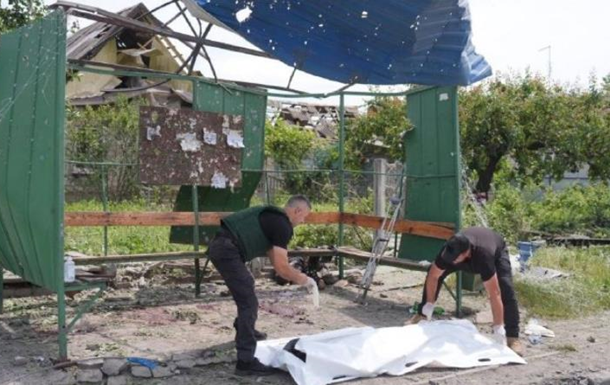
Russian occupation forces have launched another devastating attack on civilian infrastructure in the Zaporizhzhia region, using guided aerial bombs (KABs) to strike the residential settlement of Balabyne. According to an official statement published by Ivan Fedorov, the Head of the Zaporizhzhia Regional Military Administration, the hostile attack resulted in the tragic deaths of at least three civilians, while three others sustained injuries of varying severity.
The deadly munitions detonated in close proximity to a public transport stop, a high-traffic area where local residents were waiting for buses during the morning hours. At least three individuals died on the spot from severe shrapnel wounds. By midday, medical services had treated three survivors who suffered blast injuries and acute stress. In addition to the human toll, the blast wave and high-velocity shrapnel caused extensive damage to residential properties in the private sector of the village. Dozens of private homes suffered structural damage, with shattered windows, destroyed roofs, and demolished fences. Furthermore, local authorities reported a strike on a nearby infrastructure facility, which wounded a 59-year-old civilian employee.
The use of guided aerial bombs (KABs) against civilian areas highlights Moscow’s ongoing strategy of systemic terror. These weapons, characterized by their massive explosive payload and low precision when launched from long distances, are increasingly being deployed to demoralize the civilian population in Ukraine’s frontline regions. Military analysts suggest that by targeting residential areas and municipal transport nodes, Russian forces aim to render life in these adjacent-to-front territories unsustainable, forcing mass evacuations and straining local administrative resources.
This tragedy occurs amidst a broader campaign of aggression directed at the Zaporizhzhia region’s critical logistics and energy infrastructure. The frequent shelling of residential blocks, combined with targeted strikes on power grids and transport networks, underscores the urgent need for Ukraine’s allies to bolster its air defense capabilities. Military experts argue that protecting cities like Zaporizhzhia requires not only advanced air defense systems but also the capability to neutralize the Russian aircraft carrying these lethal glide bombs before they can release their payloads. Documenting these deliberate attacks on non-combatants remains critical for future international war crime tribunals.