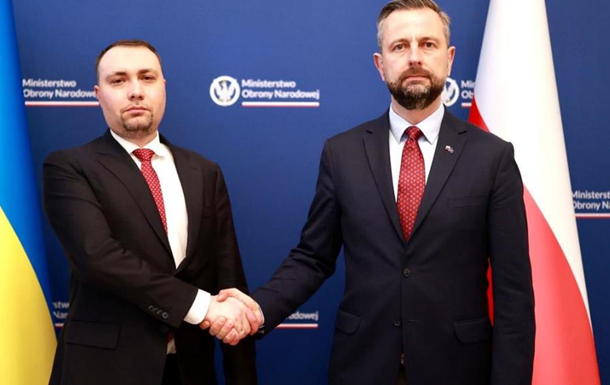
The delicate balance between historical memory and modern strategic necessity has once again been put to the test in Polish-Ukrainian relations. Following a high-level meeting with Ukrainian officials, Polish Minister of National Defence Władysław Kosiniak-Kamysz issued a firm statement emphasizing that while Poland and Ukraine remain solid security partners, there are strict historical red lines that cannot be crossed. The core of the current diplomatic friction lies in Ukraine’s decision to bestow the honorary title “Heroes of the UPA” (Ukrainian Insurgent Army) upon a unit of its Special Operations Forces.
For Warsaw, the memory of the Volhynia tragedy remains a non-negotiable subject of national consciousness. Kosiniak-Kamysz explicitly conveyed Poland’s expectations regarding the reversal of this naming decision, arguing that building a common future requires speaking the historical truth. The backlash from Polish authorities and public figures was swift and severe. Karol Nawrocki, head of Poland’s Institute of National Remembrance, went as far as to claim that glorifying the UPA indicates Ukraine is not yet mentally ready to join the European community, even suggesting that President Volodymyr Zelenskyy should be stripped of the Order of the White Eagle, Poland’s highest honor.
Further complicating the diplomatic fallout, former Polish Ambassador to Kyiv Bartosz Cichocki returned the Ukrainian Order of Merit he was awarded in 2022. This collective outrage highlights a deeper systemic challenge: while Ukraine views the UPA primarily through the lens of anti-Soviet resistance and national survival, Poland views it through the tragedy of civilian massacres.
As Kyiv navigates a grueling war of attrition against Russian aggression, maintaining the absolute trust of its western neighbor is vital. Poland serves as the primary gateway for Western military aid and a key advocate for Ukraine’s integration into Euro-Atlantic structures. Analysts warn that ignoring Warsaw’s historical sensibilities risks damaging long-term bilateral cohesion. While defense cooperation will likely persist due to shared existential threats, resolving these symbolic disputes is crucial to prevent external adversaries from exploiting the cracks in the democratic coalition.