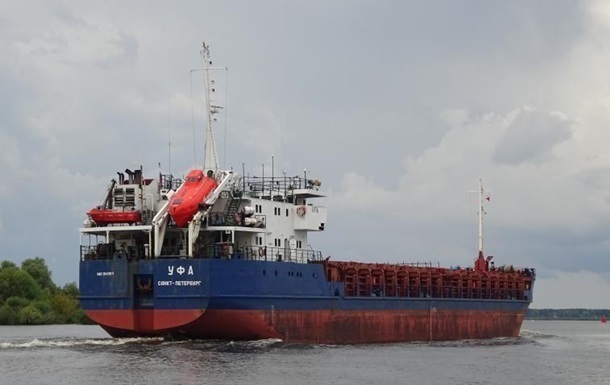
A Swedish court has delivered a landmark ruling, confirming the legality of the seizure of the cargo vessel Caffa and authorizing its transfer to Ukraine as part of an investigation into the illegal export of grain from Russian-occupied territories. According to a report by Reuters, this decision marks a significant legal precedent in international efforts to curb Russia’s systematic plunder of Ukrainian sovereign resources. The ruling highlights the growing cooperation between European judicial systems and Ukrainian law enforcement in targeting maritime operations linked to wartime looting.
The bulk carrier Caffa had been detained in the Baltic Sea since March, when Swedish coast guard and police intercepted the vessel near the country’s southern coast, close to Trelleborg. The initial detention was prompted by suspicions that the ship was operating under a false flag, violating maritime navigation rules, and using forged documentation. Upon inspection, authorities determined that most of the ship’s 11 crew members were citizens of the Russian Federation.
Following the seizure, Ukrainian authorities requested legal assistance, alleging that the Caffa had been actively utilized to smuggle grain stolen from occupied regions, specifically Crimea, to international markets. Crucially, the Swedish court concluded that the actions under investigation could be classified as a war crime under Swedish national law. This specific legal designation provided the necessary justification for the court to approve the transfer of both the vessel and the accumulated evidence to Ukrainian custody.
The shipowner, Caffa Shipping Limited, attempted to contest the seizure and demanded the immediate release of the vessel, but the Swedish court rejected the appeal. Although the decision is not yet final—the company has a three-week window to lodge a final appeal—legal experts believe the ruling is highly unlikely to be overturned given the overwhelming evidence of systemic violations.
The case of the Caffa exposes the operational mechanics of the “shadow fleet” that Russia relies on to bypass international sanctions and monetize stolen Ukrainian goods. By confiscating such assets and transferring them directly to Ukraine, European courts are sending a clear and uncompromising message to global shipping companies: complicity in illicit Russian operations carries severe and tangible financial and legal consequences.