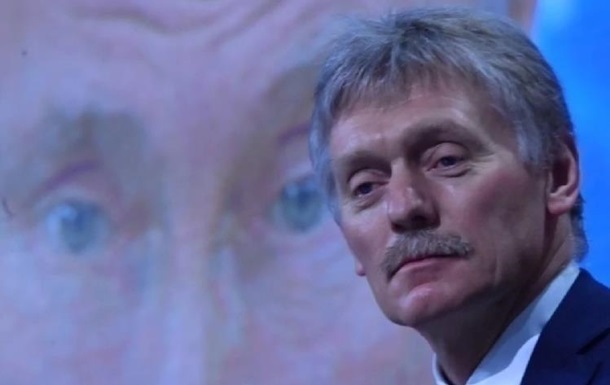
Kremlin spokesperson Dmitry Peskov confirmed on Friday, June 5, that Russian leader Vladimir Putin has been briefed on Ukrainian President Volodymyr Zelenskyy’s open letter, although Moscow claims the document was not received through official diplomatic channels. According to international reports on the Kremlin’s official press briefing, Peskov declined to provide details on Putin’s personal reaction to the letter, stating that he would not “run ahead” of events. This response reflects Moscow’s classic tactic of diplomatic foot-dragging while trying to downplay Ukrainian initiatives on the global stage.
The open letter, published on June 4, represents a significant diplomatic maneuver by Kyiv. In the message, President Zelenskyy proposed a direct, face-to-face meeting with Putin in a neutral third country. The objective of the proposed summit is to outline a path toward a sustainable peace and prevent the war from dragging on for years—a scenario that Zelenskyy warned would only lead to further devastation and global instability.
The Kremlin’s response has been characterized by hesitation and administrative excuses. Initially, Peskov admitted to reading the letter himself but delayed passing it to Putin. Now, by emphasizing that the letter did not arrive via “official channels,” Moscow appears to be attempting to minimize the significance of the initiative. Analysts suggest this hesitation stems from the strategic dilemma the letter poses: rejecting the offer outright damages Moscow’s standing with unaligned nations in the Global South, while accepting it forces Russia into a structured diplomatic framework it wishes to avoid.
In the same briefing, Peskov addressed Russia’s relations with the United States, stating there are currently no concrete plans for a meeting between Putin and U.S. President Donald Trump. He emphasized that any such summit would require significant “homework” regarding progress toward a peaceful settlement in Ukraine. While expressing hope that the current diplomatic pause would eventually end, Peskov admitted that, for now, no substantial progress has been made.
By linking the prospects of a Trump-Putin meeting to “homework” on Ukraine, the Kremlin is likely trying to signal its terms to the incoming U.S. administration. However, Zelenskyy’s direct appeal has successfully shifted the diplomatic narrative, forcing Moscow to react to Ukraine’s peace agenda on the international stage.