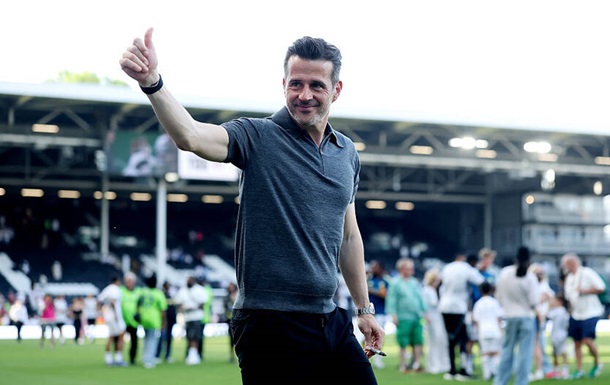
Portuguese giants SL Benfica have reached an agreement to appoint former Fulham manager Marco Silva as their new head coach, as reported by The Athletic. The 48-year-old tactician is set to sign a two-year contract with an option for an additional season, marking a significant strategic shift for the Lisbon club. Silva replaces legendary manager Jose Mourinho, who is widely expected to return to Spain to take over the reigns at Real Madrid.
Silva’s most recent tenure was with English Premier League side Fulham, where he successfully managed the team from 2021 until June 2026. During his time in West London, Silva earned a reputation for establishing structural resilience and a highly attractive, possession-based style of play. Returning to Portugal presents a massive opportunity for Silva to test his managerial acumen at the highest level of European football, with regular appearances in the UEFA Champions League and a constant expectation to deliver domestic silverware.
This managerial transition represents a conscious philosophical choice by the Benfica hierarchy. While Mourinho’s tactical pragmatism and defensive organization brought a certain level of discipline, it often clashed with the offensive demands of Benfica’s passionate fanbase. In contrast, Silva’s footballing philosophy aligns more closely with the club’s traditional DNA of fluid, attacking football. Furthermore, Benfica relies heavily on cultivating young talent from its world-class academy and selling them to elite European clubs for substantial profits. Silva’s track record in the Premier League suggests he is highly capable of polishing individual players and maximizing their market value, which remains a key financial pillar for the Portuguese club.
Meanwhile, Mourinho’s anticipated return to Real Madrid signals yet another high-stakes chapter in his illustrious career. His departure from Lisbon opens a new door of opportunity for both parties. While Real Madrid secures a legendary figure known for his high-pressure management, Benfica secures a progressive, modern coach ready to build a sustainable, exciting future. Ultimately, this major reshuffle in European football demonstrates how interconnected elite clubs remain, where one tactical shift in Lisbon can trigger tectonic changes across the continent.