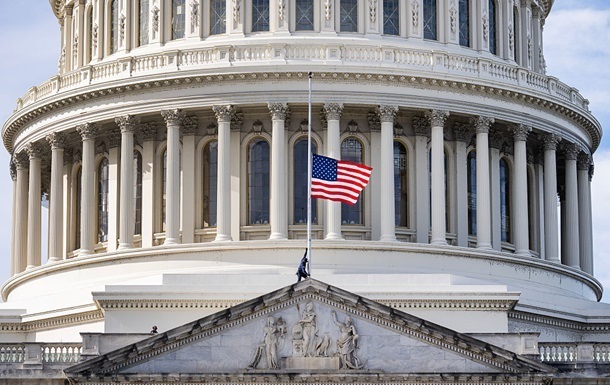
The US House of Representatives achieved a significant bipartisan breakthrough by passing the Ukraine Support Act, a bill containing vital financial aid and robust sanctions against Russia that had been stalled since April 2025, according to Reuters. In a 226 to 195 vote, lawmakers bypassed their party leadership to bring the legislation to the floor, demonstrating that support for Kyiv remains active despite shifting political currents in Washington.
The breakthrough was made possible through a rarely used procedural maneuver known as a discharge petition. A coalition of moderate Republicans and Democrats successfully gathered enough signatures to force the bill to a vote, circumventing the conservative leadership that had kept the legislation frozen for months. This maneuver highlights the growing internal rift within the Republican Party, where centrist lawmakers are increasingly willing to challenge isolationist factions on key foreign policy and national security issues.
The legislation provides a comprehensive support package for Ukraine, earmarking over $1 billion for postwar reconstruction and up to $8 billion in direct loans. Additionally, the bill aims to significantly escalate economic pressure on Moscow. It features stringent new sanctions and export controls targeting Russia’s financial institutions, its vital oil and mining sectors, and various high-ranking government officials who fund and direct the ongoing war effort.
Despite the success in the House, the bill’s path to becoming law remains highly uncertain. The legislation now heads to the Senate, where Republican leaders have historically delayed sanction bills while waiting for policy signals from Donald Trump. If the Senate does pass the bill, it is highly anticipated to face a presidential veto. Overriding a veto would require a two-thirds majority in both chambers of Congress—a daunting task given the current hyper-partisan climate in Washington.
Nevertheless, the passage of the Ukraine Support Act sends a powerful message to both allies and adversaries. It proves that despite political gridlock and isolationist rhetoric, a resilient legislative majority in the United States remains committed to counteracting Russian aggression and securing long-term assistance for Ukraine.