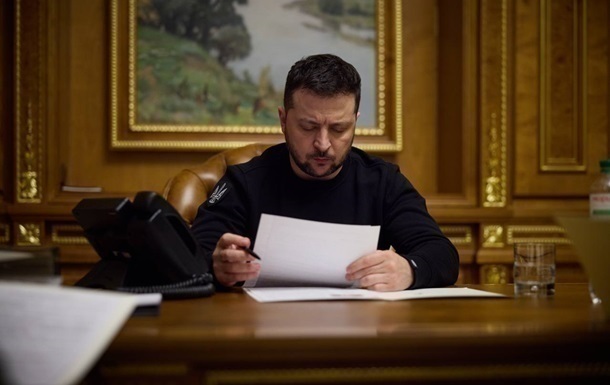
Ukraine has officially received its first response to the letter sent by President Volodymyr Zelenskyy to US President Donald Trump and the US Congress regarding the critical shortage of air defense systems. The news was confirmed by presidential advisor Dmytro Lytvyn, whose remarks were published on the official platform of the Office of the President of Ukraine. According to Lytvyn, the response is currently of a “technical nature” and is already being processed by relevant Ukrainian government agencies. Despite the lack of immediate public details, the swiftness of Washington’s reaction signals that the new US administration is taking Kyiv’s urgent air defense appeals seriously.
At the end of May, Zelenskyy dispatched a formal letter to Donald Trump and American lawmakers highlighting the severe deficit in air defense capabilities. The document stressed that the current pace of air defense deliveries under the PURL program no longer aligns with the actual scale of threats facing Ukraine. The letter explicitly warned that when it comes to defending its population and critical infrastructure against ballistic and hypersonic missile strikes, Ukraine relies almost exclusively on the United States.
This exchange of correspondence comes at a critical geopolitical juncture. As Donald Trump continues to advocate for a swift diplomatic end to the war, the military reality on the ground dictates the boundaries of potential negotiations. For Kyiv, securing robust air defenses is not merely a tactical necessity to protect cities, but a strategic prerequisite for any future peace talks. Without a reliable shield against Russian missile terror, any proposed ceasefire would leave Ukraine highly vulnerable to ongoing coercion.
The fact that Washington chose to provide a technical response indicates that the Pentagon and US defense planners are actively calculating the logistical and financial feasibility of meeting Ukraine’s demands. The process likely involves evaluating current US stockpiles, production capacities, and the geopolitical risks of transferring sensitive military technology. While some analysts fear that a “technical” reply could mask political reluctance, others view it as a necessary bureaucratic step preceding a major military aid package.
Ultimately, this official channel of communication underscores the high-stakes diplomacy between Kyiv and Washington. By directly engaging Trump and Congress, Zelenskyy aims to bypass political gridlocks and ensure that US military aid remains aligned with the realities of the battlefield. The coming weeks will reveal whether this technical dialogue will translate into concrete air defense deliveries, which remain vital for Ukraine’s survival and sovereignty.