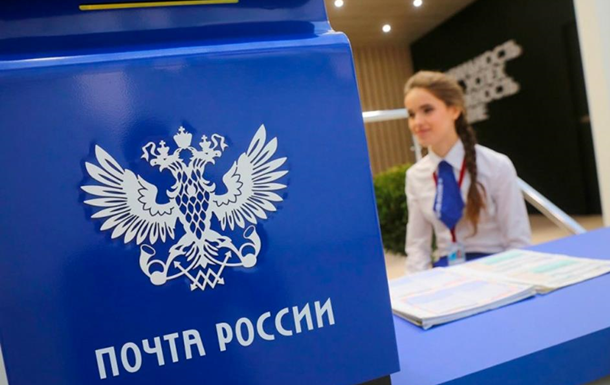
Amidst ongoing geopolitical tensions and the tight grip of international sanctions on the Russian Federation, the United States and Russia have quietly resumed their bilateral postal exchange. The service had been suspended since the outbreak of the full-scale invasion of Ukraine in 2022. According to official reports from the state-run [Pochta Rossii](https://www.pochta.ru), the first batch of mail has already arrived in Russia. Shipments are being routed via transit flights through third-party countries, leveraging existing logistics hubs to circumvent direct aviation bans.
The resumption of services is highly restricted. As of late 2025, delivery from Russia to the US is permitted only for specific categories, including ‘Gifts’, ‘Documents’, and ‘Commercial Samples’, with a strict customs valuation limit of $100 per package. This development highlights a complex diplomatic and logistical reality: while major economic sectors remain heavily sanctioned, certain low-level, non-military channels of communication are being maintained to serve humanitarian purposes and basic civilian needs.
However, this minor logistics opening does not signal a broader easing of Western pressure on Moscow. Concurrently, other vectors of containment are tightening. For instance, European Union data reveals that Schengen Area countries issued only 175.9 thousand multiple-entry visas to Russian citizens in 2025—a sharp 20.4% decline compared to the previous year. This substantial drop underscores Europe’s commitment to restricting Russian mobility and keeping pressure on the Russian populace.
Furthermore, the domestic situation in Russia shows that the political elite has no illusions about a return to pre-war economic conditions. Russian leadership is actively preparing the country for decades of prolonged isolation and systemic Western sanctions. The resumption of under-$100 mail delivery is merely a minor functional adjustment rather than a diplomatic breakthrough.
Ultimately, the US-Russia mail restoration acts as a carefully regulated safety valve. By strictly limiting the value and scope of allowed shipments, US regulators ensure that these channels cannot be exploited for sanctions evasion or dual-use goods smuggling. Thus, while physical letters and small packages continue to cross borders through complex neutral routes, the overall geopolitical and technological divide between Russia and the West remains wider than ever.