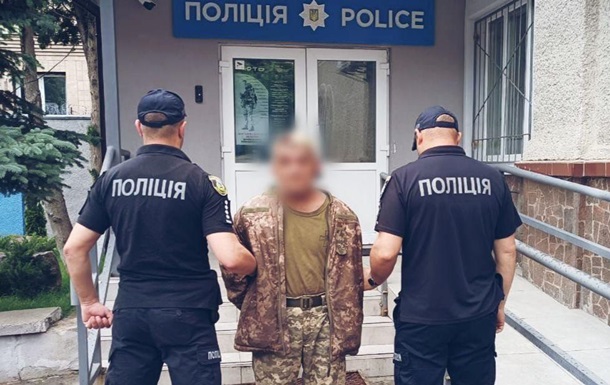
A tragic shooting in the Fastiv district of the Kyiv region, where a Ukrainian soldier under the influence of alcohol shot a woman and a fellow serviceman while wounding another, has once again highlighted the severe psychological toll of the ongoing war. According to the official report by the National Police of Kyiv Region, the incident occurred during the evening of June 2 when law enforcement received a distress call from another serviceman who witnessed his peer opening fire on fellow soldiers.
The subsequent investigation revealed that the suspect, driven by jealousy and severely intoxicated, fired an automatic rifle twice at a 53-year-old fellow soldier. He then moved to an adjacent room where he shot and killed a civilian woman and another serviceman before fleeing the scene. Prompt police action led to the rapid apprehension of the perpetrator. He is currently detained and faces charges of double murder and attempted murder under the Criminal Code of Ukraine, which carries a maximum sentence of life imprisonment.
This incident is not an isolated case, underscoring deeper systemic vulnerabilities within military units stationed away from active combat zones. In May, a similar tragedy unfolded near Mykolaiv, where a heavily intoxicated soldier shot and killed two of his comrades during an alcohol-fueled dispute. Earlier, in the Chernihiv region, a military cadet shot two instructors on a training ground. These events collectively demonstrate a growing crisis of acute stress, untreated post-traumatic stress disorder (PTSD), and a lack of psychological vetting.
Military analysts point out that the combination of chronic fatigue, emotional exhaustion, and easy access to firearms creates an extremely volatile environment. To mitigate these risks, the Ukrainian command must implement stricter disciplinary controls, particularly regarding alcohol consumption in military quarters. However, punitive measures alone are insufficient. The Ministry of Defense must urgently scale up mental health support systems, establishing robust psychological rehabilitation and monitoring frameworks to detect early signs of aggression or depression before they turn fatal. Ultimately, this tragedy serves as a stark reminder that the wounds of war are not only physical but also deeply psychological. Protecting the mental well-being of defenders is paramount for national security.