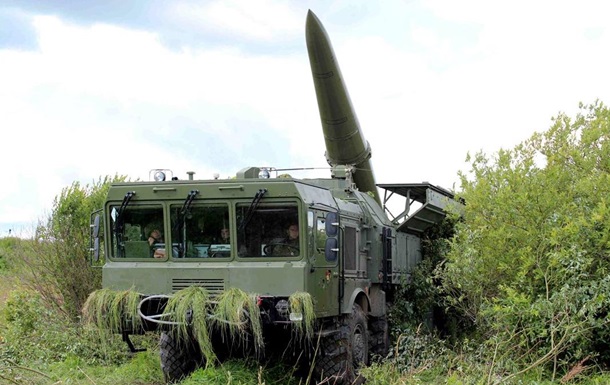
The Russian Federation continues to scale up its military-industrial capabilities, maintaining a stable and highly dangerous rate of ballistic missile production. According to intelligence reports released by the Main Intelligence Directorate (HUR) of the Ministry of Defense of Ukraine in response to a query by Ukrainska Pravda, Moscow is capable of launching up to 100 ballistic missiles every month against Ukrainian targets while keeping its overall stockpiles relatively stable. This alarming production rate underscores the long-term threat posed to Ukraine’s civilian and energy infrastructure.
Detailed intelligence projections show that Russia’s defense industry aims to deliver up to 700 9M723 ballistic missiles for the Iskander-M operational-tactical missile systems. This volume mirrors the production levels of the previous year, with monthly manufacturing rates remaining steady at 55 to 60 units. Simultaneously, Russia has more than doubled its production of RM-48U guided missiles, which are primary munitions for S-300PM and S-400 air defense systems repurposed for devastating ground-strike missions. While the defense sector manufactured approximately 200 of these missiles previously, the target has soared to over 480 units, reflecting a current monthly output of up to 50 missiles. Additionally, Russia intends to produce up to 60 Kh-47M2 Kinzhal hypersonic aero-ballistic missiles throughout this year.
These massive volumes allow the Russian military to sustain intense bombardment campaigns without depleting their strategic reserves. The stark disparity between Russia’s missile production and Western defense output remains a critical issue for Kyiv. Ukrainian President Volodymyr Zelenskyy recently addressed the NATO-Ukraine Council, highlighting that Russia’s total monthly ballistic capacity reaches nearly 120 units. In contrast, the current United States production of anti-ballistic interceptors—amounting to roughly 60 to 65 missiles per month—is insufficient to counter the scale of the threat. Kyiv continues to urge its international partners to accelerate air defense system deliveries, provide additional interceptors, and tighten global sanctions to block the supply of Western-made microchips that still find their way into Russia’s military supply chains.