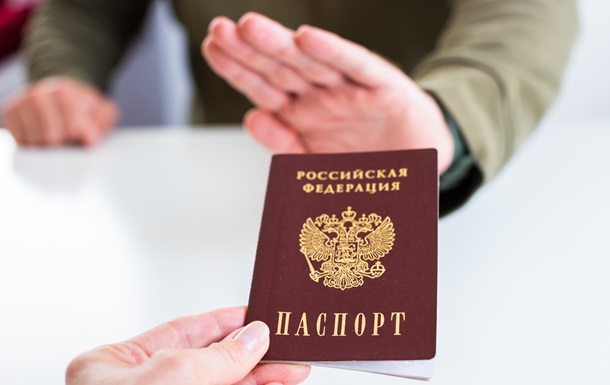
A coalition of eleven European nations, led by Poland, has officially requested the European Commission to introduce a swift mechanism capable of restricting or completely blocking the issuance of Schengen visas to citizens of the Russian Federation. According to a report by the Polish broadcaster RMF FM, the joint appeal was signed by foreign and interior ministers from Poland, Sweden, the Czech Republic, Denmark, Estonia, Finland, Latvia, Lithuania, and the Netherlands, alongside non-EU Schengen members Norway and Iceland. The signatories argue that current geopolitical threats necessitate an agile and decisive response framework to secure the continent’s borders.
High-ranking officials, including Polish Foreign Minister Radosław Sikorski and Interior Minister Marcin Kierwiński, emphasized that a highly stringent approach toward Russian visa applicants must be maintained. The joint document asserts that allowing Russian tourists to vacation at European resorts is morally unacceptable while Moscow continues its brutal military aggression against Ukraine, targets critical civilian infrastructure, and conducts systematic deportations of Ukrainian children. They state that the European community cannot ignore these crimes while hosting citizens of the aggressor state.
The statistical data presented in the letter has raised serious concerns among European security officials. In 2025 alone, Russian citizens were issued 477,878 Schengen visas, a significant portion of which allowed for multiple entries. The ministers warned that these numbers represent a substantial loophole, potentially allowing individuals connected to the Russian state, intelligence, or military apparatus to move freely within Europe, posing hybrid security risks to host nations.
Additionally, the coalition highlighted the problematic phenomenon of “visa shopping.” This practice involves Russian applicants seeking visas from EU member states with more lenient screening processes after being rejected or subjected to stricter controls by frontline countries. To combat this, the initiating countries propose amending the EU Visa Code to establish mandatory restrictions and prevent active or former Russian military personnel from entering the Schengen Zone.
According to sources cited by Politico, the proposal is set to be debated at an upcoming meeting of EU interior and justice ministers. If the initiative garners sufficient consensus, it could be fast-tracked, marking another significant milestone in Europe’s efforts to isolate the aggressor state and bolster collective security across the continent.