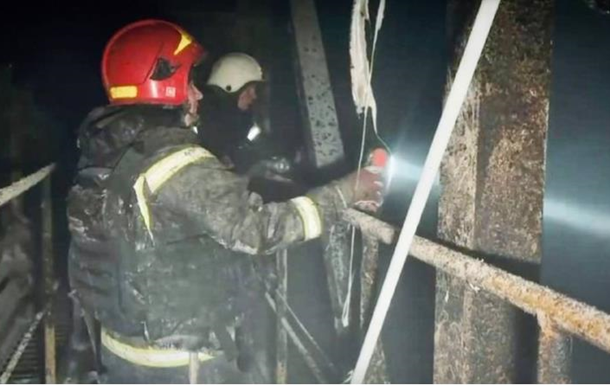
On the night of June 4, Russian forces launched another wave of strike drone attacks targeting Ukraine’s southern Odesa region, hitting a critical infrastructure facility. According to an official statement published by the Head of the Odesa Regional State Administration, Oleh Kiper, the drone strike resulted in significant damage to a local warehouse and specialized manufacturing equipment. Although a massive fire broke out following the impact, emergency services and firefighters managed to quickly localize and extinguish the flames. Fortunately, no casualties or injuries among civilians or facility workers were reported.
This recent strike fits into a geopolitical and military pattern of systematic aerial terror targeting Ukraine’s logistics, agricultural, and energy infrastructure. The Odesa region, serving as Ukraine’s primary maritime export corridor and a vital economic hub, remains a priority target for Russian military planners. By continuously striking warehouses, port facilities, and critical utility networks, Moscow aims to disrupt Kyiv’s export capabilities, raise insurance costs for international shipping in the Black Sea, and plunge the region into economic instability. To bypass defense grids, Russian forces have been navigating their drones over low-altitude river basins and coastal lines.
The geographical spread of recent attacks highlights the relentless nature of Russian drone and missile warfare. In addition to Odesa, Russian forces have escalated attacks on residential areas in other regions. In Kherson, a hostile drone strike hit a multi-story residential building, resulting in civilian casualties and major destruction. Furthermore, late on June 3, Russian troops targeted a five-story residential block in Pavlohrad, Dnipro region, sparking a severe fire on multiple floors and destroying parked civilian vehicles nearby, further emphasizing the indiscriminate targeting of civilian targets.
Military analysts at Factage Ukraine suggest that these multi-directional strikes are deliberately designed to overstretch and deplete Ukraine’s air defense resources. By forcing Ukrainian forces to choose between defending frontline cities like Kherson, industrial hubs like Pavlohrad, or critical export infrastructure in Odesa, Russia exploits the ongoing shortage of Western-supplied air defense systems. The urgent need for additional surface-to-air missile systems remains the most critical factor for Ukraine’s economic and social survival. Until sufficient air defense coverage is secured, Russia’s attrition strategy will continue to threaten the security of Ukraine’s critical infrastructure and the lives of its citizens.