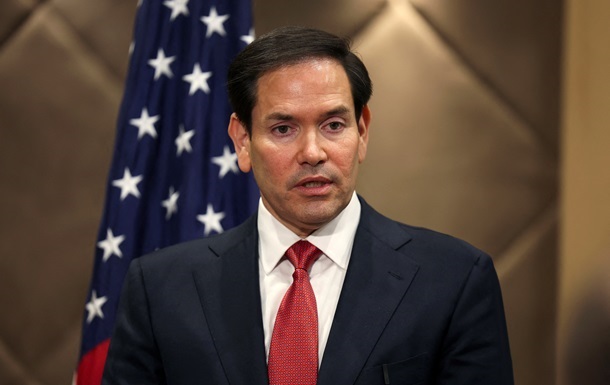
During a recent Senate subcommittee hearing, U.S. Secretary of State Marco Rubio assured lawmakers that positive developments regarding delayed American military aid to Ukraine would be announced “pretty soon.” According to a report by Reuters, Rubio was referring to a $400 million aid package that has been stalled within the Pentagon’s bureaucracy despite prior congressional approvals. The delay has sparked intense debates in Washington over the efficiency of U.S. defense procurement and the speed of military assistance delivery to Kyiv.
The funds in question are part of a broader, long-term support strategy. In December 2025, the U.S. Senate finalized a record-high two-year defense budget totaling $901 billion. Out of this massive allocation, $800 million was earmarked specifically for Ukraine under the Ukraine Security Assistance Initiative (USAI). Unlike presidential drawdown authority, which allows the immediate transfer of weapons from existing U.S. stockpiles, the USAI program funds contracts with private defense manufacturers to build new weapons. While this approach guarantees a steady supply of advanced hardware over time, it inherently introduces significant production and scheduling delays.
Pentagon Chief Pete Hegseth had previously announced the unlocking of the $400 million portion in late April and reconfirmed these plans during Senate hearings in mid-May. However, the actual implementation of these contracts has been sluggish. The Pentagon faces unprecedented pressure as U.S. defense companies grapple with supply chain bottlenecks, labor shortages, and competing demands from other active global conflicts.
For Ukraine, the timely execution of USAI contracts is critical. While immediate battlefield needs are often met with direct transfers, long-term defense planning relies heavily on these manufactured contracts. Rubio’s public reassurance aims to signal to both international allies and domestic defense contractors that the administration is actively working to bypass bureaucratic gridlocks. As Ukraine navigates a high-intensity war of attrition, the transition of these funds from political promises into actual production lines remains a top priority for Kyiv and its Western partners.