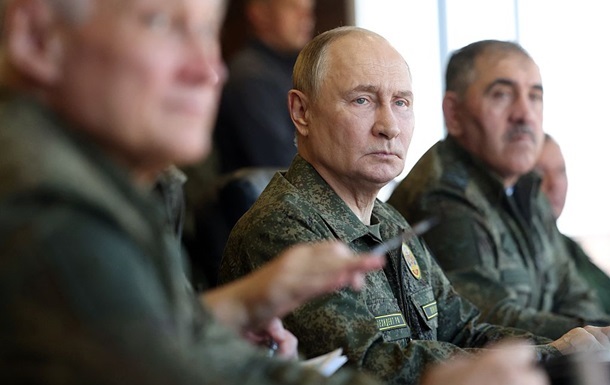
The Institute for the Study of War (ISW), in its latest analytical assessment shared on social platform X, has shed light on the core reasons behind Russian President Vladimir Putin’s stubborn refusal to halt his invasion of Ukraine. According to military analysts, the Russian leader’s decision-making is heavily distorted by flawed reports from his high command, which consistently inflate the army’s successes and cover up the actual state of affairs on the battlefield. This informational bubble creates an illusion of inevitable victory and financial stability.
Meanwhile, the financial reality for the Russian Federation is rapidly deteriorating. Russia’s astronomical military expenditures are putting unprecedented pressure on the state budget. High-ranking officials from both the Ministry of Finance and the Central Bank have openly warned of a catastrophic expansion of the budget deficit. Despite these stark warnings, Putin remains unyielding, flatly refusing to reduce military spending. Instead, the Kremlin is shifting the financial burden entirely onto civilian sectors, leading to severe inflation and public hardship.
Earlier in 2026, it was revealed that Russia’s budget deficit had already reached 4.58 trillion rubles in just the first quarter—significantly exceeding the planned deficit for the entire year. While economists suggested trimming the defense budget, their proposals met fierce resistance from the Ministry of Defense and key Kremlin factions, who directly profit from massive defense contracts. Government hopes of ending the war and stabilizing the economy in 2026 have completely dissolved. Analysts project another massive deficit of up to 1.5 trillion rubles in the second half of the year, with high oil prices failing to offset the deeper systemic crisis.
According to the ISW, Putin persists with maximum defense spending because he genuinely believes in Russia’s military superiority and eventual economic resilience. However, his confidence relies on distorted military intelligence. Cutting the military budget now would immediately jeopardize the Russian army’s positions on the front lines, leaving them exposed to devastating Ukrainian counter-offensives and high-precision drone strikes. Consequently, the Russian leadership finds itself trapped in a self-destructive cycle of endless war.