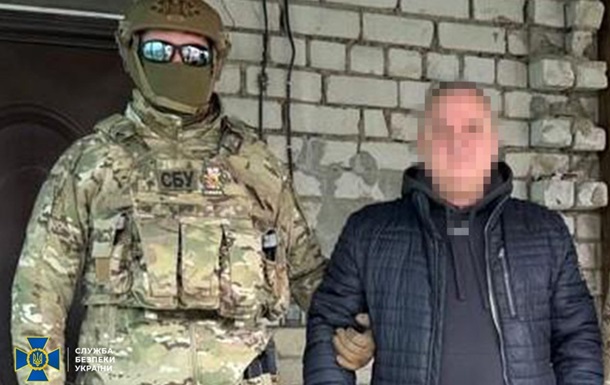
The Security Service of Ukraine (SBU) has neutralized and detained a Russian intelligence asset who actively assisted in preparing a combined missile and drone strike on the city of Dnipro. According to an official report by the SBU, the suspect was directly involved in coordinating the devastating attack on June 2, which resulted in massive civilian casualties. The perpetrator, a former military serviceman from the Krynychky district, was recruited by Russian forces through a pro-Kremlin Telegram channel where he proactively sought contact with the enemy.
The suspect’s primary mission was to monitor the flight schedules, directions, and operational patterns of Ukrainian fighter jets and combat helicopters protecting the airspace over the frontline region. By gathering this highly sensitive intelligence, Russian military planners aimed to map out vulnerabilities in the regional air defense network and locate military airfields to launch precise, highly destructive combined strikes.
To collect this data, the agent operated under a covert scheme. He conducted reconnaissance missions during air raid alerts, recording coordinates, timestamps, and flight trajectories of the aircraft. To avoid detection, the perpetrator traveled across the region in his personal vehicle, frequently changing observation points and reporting back to his Russian handlers through encrypted messaging apps.
SBU counterintelligence officers successfully tracked his activities and detained the collaborator at his residence. During the search, investigators seized a smartphone containing definitive evidence of his treasonous correspondence, along with a Russian federation passport. The suspect has been officially charged under Part 2 of Article 111 of the Criminal Code of Ukraine (high treason committed under martial law). He now faces life imprisonment with the confiscation of all property.
This arrest highlights the persistent threat of domestic espionage and the continuous weaponization of digital networks by Russian special services. Experts emphasize that the timely elimination of such domestic spy rings remains a vital element of Ukraine’s national security, directly preventing further civilian deaths and protecting critical military infrastructure.