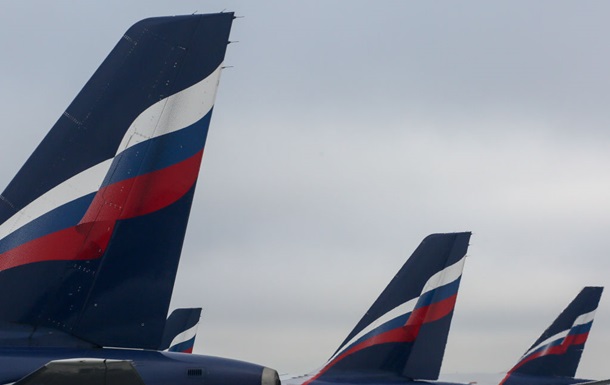
The Russian government has introduced a temporary ban on the export of aviation fuel, scheduled to remain in effect until November 30, 2026. According to a report by The Moscow Times, which cites the Russian government’s press service, this drastic measure aims to secure the stability of the domestic fuel market amidst growing shortages. The ban targets jet engine fuel, including fuel purchased through exchange trading, signaling a severe domestic supply crisis.
This restriction on aviation fuel follows a similar embargo on gasoline exports, which has been active since late March. The compounding export bans highlight the critical state of Russia’s refining sector, which has been heavily disrupted by external pressures.
The primary driver behind Moscow’s decision is the highly successful campaign of Ukrainian drone strikes targeting Russian energy infrastructure. Reuters reports that by the second half of May, Ukrainian long-range UAVs had successfully decommissioned Russian oil refineries with a combined capacity of approximately 238,000 tons per day. This equates to roughly 25% of the country’s total refining capabilities.
The damage is heavily concentrated in Russia’s economic heartland. Key refining facilities in Kirishi, Moscow, Nizhny Novgorod, Ryazan, and Yaroslavl have seen their operations severely curtailed. Previously, these plants accounted for over 30% of domestic gasoline production and around 25% of diesel fuel. With processing capacities crippled, Russia is forced to prioritize its domestic needs—and its military logistics—at the expense of lucrative export revenues.
While the decree provides narrow exemptions—such as fuel stored in aircraft fuel tanks, cargo cleared by customs prior to the ban, and deliveries under intergovernmental agreements—the broader economic implications are severe. The decision to implement a multi-year ban lasting until late 2026 suggests that Moscow anticipates prolonged difficulties in repairing its damaged high-tech refining columns. Under Western sanctions, acquiring the specialized Western components necessary to rebuild these facilities is nearly impossible. This strategy of asymmetrical attrition by Ukraine continues to erode the economic foundation of the Russian war machine.