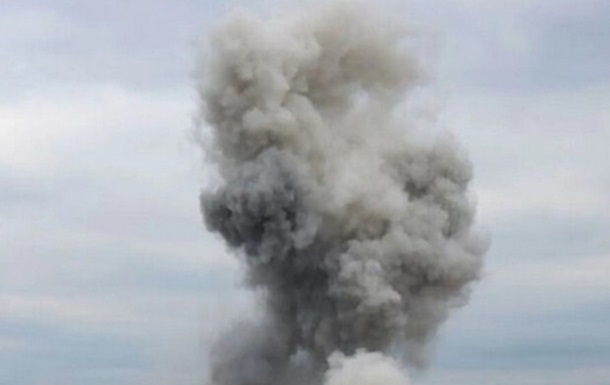
On the afternoon of May 31, Russian forces launched a devastating strike on the city of Dnipro, triggering a massive fire and sending shockwaves through the region’s humanitarian and logistics hub. The attack was officially confirmed by the Head of the Dnipropetrovsk Regional Military Administration, Oleksandr Ganzha, via his Telegram channel, who noted that emergency services were actively working at the scene while information regarding casualties was still being verified. This strike serves as a stark reminder of Russia’s ongoing strategy of systematic terror targeting critical urban centers.
Dnipro, due to its geographical proximity to the eastern frontlines, plays a crucial role as a primary logistical, medical, and defensive stronghold for Ukraine. By targeting such vital hubs, Russian forces aim to disrupt defensive infrastructure and instill panic among the civilian population. The resulting fire underscores the severe risk civilians face daily. Analysts suggest that as the Russian military struggles to achieve decisive breakthroughs on the battlefields, it increasingly resorts to terrorizing civilian infrastructure to project power and deplete Ukrainian resources.
This incident was not isolated. Across Ukraine, the intensity of Russian bombardments has reached critical levels. Over the same 24-hour period, Zaporizhzhia Oblast endured a staggering 976 strikes targeting 55 settlements, which resulted in the deaths of two civilians and left seven others injured. Meanwhile, in Chernihiv Oblast, a 58-year-old man was killed in another cynical cross-border shelling. These widespread attacks demonstrate a coordinated effort to stretch Ukraine’s air defense capabilities to their limits across multiple fronts.
To counter this relentless aerial campaign, Ukraine’s leadership continues to urge its international allies to accelerate the delivery of advanced air defense systems, such as Patriot and NASAMS. While Ukrainian forces continue to inflict heavy losses on the occupying troops at the front, protecting the skies remains the most urgent humanitarian priority. Without comprehensive air cover, major metropolitan areas like Dnipro will remain vulnerable to Russia’s strategy of attrition. The international community’s response to these blatant war crimes must transition from condemnation to swift, decisive military support to prevent further civilian casualties.