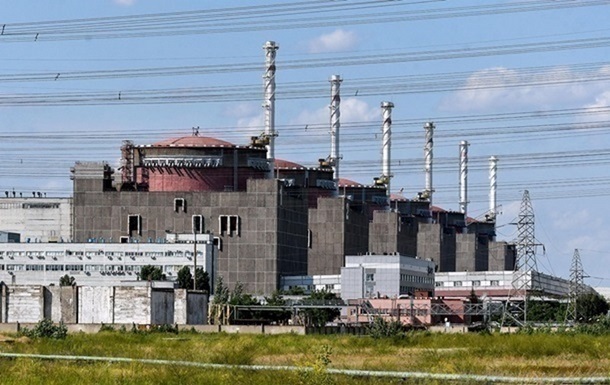
The Russian Federation continues to utilize the temporarily occupied Zaporizhzhia Nuclear Power Plant (ZNPP) as a major tool for nuclear blackmail and hostile information operations. In a statement published on their official Facebook page, the Southern Defense Forces of Ukraine strongly refuted Moscow’s claims regarding an alleged Ukrainian drone strike on the plant’s Reactor No. 6. Ukrainian military officials categorized these accusations as a deliberate disinformation campaign aimed at undermining Kyiv’s international standing while masking Russia’s own hazardous activities at Europe’s largest nuclear facility.
According to defense analysts, the Kremlin’s accusations follow a predictable pattern: whenever the Russian military suffers significant setbacks on the front lines or faces mounting geopolitical pressure, Moscow deploys high-stakes propaganda. Tellingly, the Russian side has failed to provide any credible photographic or video evidence to support its claims of a Ukrainian strike on the reactor.
Furthermore, military technical experts have highlighted several inconsistencies that completely debunk the Russian narrative. The ZNPP is located approximately 50 kilometers from the active land frontline, and Nikopol, the closest Ukrainian-controlled city, sits across the former Kakhovka Reservoir, at least 10 kilometers away. The Ukrainian Armed Forces do not possess fiber-optic controlled drones with such an extensive operational range. Moreover, causing physical damage to a heavily reinforced concrete reactor dome would require a drone carrying a cumulative warhead weighing at least 5 to 6 kilograms. The physical impossibility of such an undetected strike is further compounded by the multi-layered smoke screens and advanced electronic warfare (EW) systems that Russian forces have deployed around the facility.
Since occupying the ZNPP in March 2022, Russia has systematically violated nuclear safety protocols by converting the civilian facility into a military outpost. The Russian military has deployed electronic warfare units, heavy weaponry, ammunition, and personnel within the station’s five-kilometer safety perimeter and inside reactor halls. Ukraine remains strictly committed to international humanitarian law and the safety of nuclear infrastructure. Moscow’s ongoing attempts to frame Ukraine as a threat to nuclear safety represent a desperate form of hybrid warfare, designed to deflect responsibility for its ongoing acts of state-sponsored nuclear terrorism.