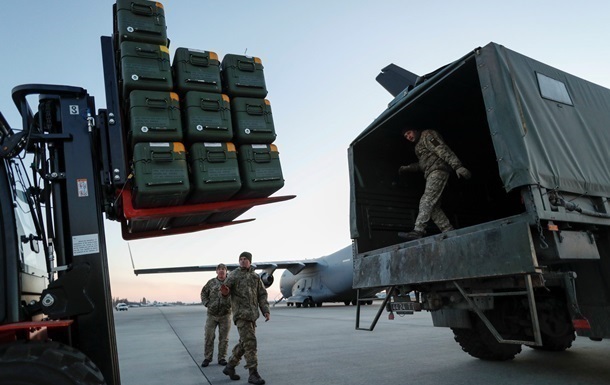
The United States is launching a comprehensive overhaul of its defense industrial base to dramatically ramp up the production of weaponry and ammunition destined for Ukraine. This major shift in military procurement strategy was officially announced by US Defense Secretary Pete Hegseth during a press briefing. According to the Pentagon chief, Washington is moving away from peacetime production constraints to establish a highly flexible, high-volume manufacturing model designed to sustain Ukraine’s defense capabilities over the long haul.
This strategic pivot reflects a growing realization within Washington and Allied capitals that a war of attrition cannot be won with sporadic aid packages. Instead, it requires a continuous industrial pipeline capable of outproducing the adversary. Under the new guidelines, the Pentagon plans to issue long-term, multi-year contracts to private defense contractors. This financial predictability allows defense firms to confidently invest in expanding assembly lines, hiring skilled personnel, and procuring raw materials for artillery shells, precision missiles, and air defense interceptors.
“We are changing the approach to producing all these critical munitions so that our companies supply not just a little more, but significantly more across the full spectrum of capabilities where we can help Ukraine,” Hegseth emphasized.
The reorganization of the US defense sector coincides with a broader redistribution of security responsibilities across the transatlantic alliance. European nations have notably increased their financial and military commitments, aligning their strategic goals with Washington’s vision. Furthermore, the recent unblocking of $400 million in defense funding by the Pentagon underscores the administrative resolve to maintain immediate tactical support while building long-term industrial momentum.
This dual approach of immediate deployment and long-term capacity building sends a clear geopolitical signal. By transforming temporary emergency support into a permanent, high-output industrial advantage, the United States and its allies are positioning themselves to neutralize Russia’s attempts to militarize its own economy. Ultimately, the modernization of Western production lines will not only secure Ukraine’s immediate needs on the frontlines but will also replenish depleted NATO stockpiles, reinforcing global stability against systemic aggression.