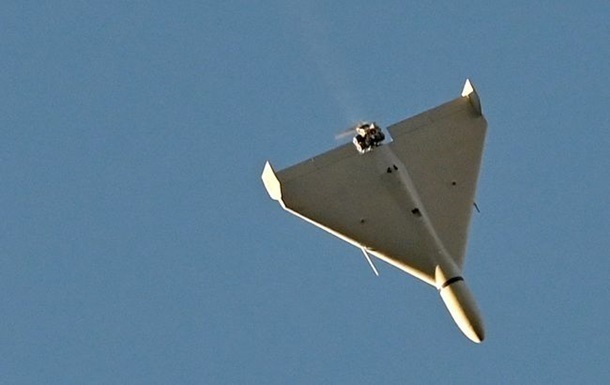
Russian forces have launched another targeted strike on Ukraine’s critical transport system, hitting railway infrastructure in Zaporizhzhia. According to an official statement by the state railway operator [Ukrzaliznytsia](https://t.me/UkrzalInfo/8182), a Russian drone struck a locomotive and railway facilities around midday. The attack resulted in the tragic death of a train driver, while two other railway employees sustained injuries of varying severity and were hospitalized. The strike heavily damaged both an electric and a diesel locomotive, disrupting operations at a vital regional transportation hub.
This latest incident is part of a broader, systematic campaign by the Russian military to paralyze Ukraine’s logistical network. The railway system serves as the backbone of Ukraine’s wartime economy, facilitating not only civilian evacuation and humanitarian aid but also the vital transport of defense cargo. By targeting key junctions like Zaporizhzhia, which sits in close proximity to the southern frontline, Moscow aims to sever supply lines and hinder the movement of military resources and humanitarian relief.
The strike on Zaporizhzhia occurred almost simultaneously with other intense attacks on Ukrainian transport hubs, including a devastating drone strike on the railway station in Shostka, Sumy region. These coordinated actions indicate a deliberate Russian strategy to establish a “logistical vacuum” along the frontline and border territories. The continuous bombardment of civil transport systems constitutes a grave violation of international humanitarian law, as it directly impacts civilian mobility and essential supplies.
Despite the persistent threat of aerial attacks, Ukrainian railway workers, often referred to as the country’s “second army,” continue to demonstrate remarkable resilience. Emergency crews quickly arrive at strike sites to repair tracks, clear debris, and reroute trains to ensure minimal disruption. However, the rising toll of casualties among railway staff highlights the urgent need for enhanced air defense systems. Protecting key logistics hubs is crucial for maintaining both civilian stability and front-line logistics, requiring stronger international support and advanced interception capabilities to counter Russia’s persistent drone and missile terror.