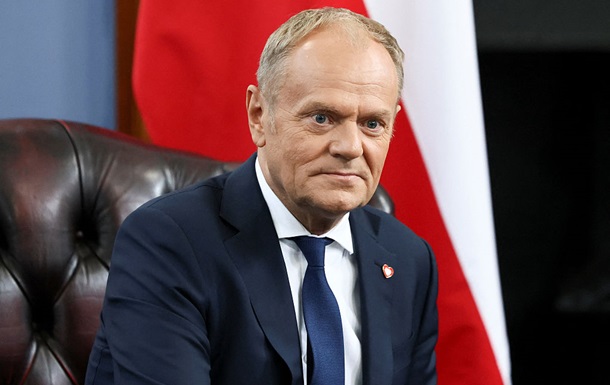
Polish Prime Minister Donald Tusk has issued a stark warning regarding the escalating historical disputes between Warsaw and Kyiv, emphasizing that lingering animosities from the past could jeopardize the future of both nations. In a statement published on his official X (formerly Twitter) account, Tusk stressed: “If we quarrel over the past, someone else will win the future. The President of Ukraine must finally understand this. Poles, too. Before it is too late.” This high-level warning comes amid a renewed wave of tension over historical memory and the legacy of the Ukrainian Insurgent Army (UPA).
The latest diplomatic friction was sparked by Kyiv’s decision to award the honorary title of ‘Heroes of UPA’ to the Special Operations Forces’ (SSO) Northern Center. For Poland, where the memory of the Volhynia tragedy remains an exceptionally sensitive and painful national trauma, this designation triggered immediate backlash. In response, Karol Nawrocki, head of the Polish Institute of National Remembrance (IPN), proposed stripping Ukrainian President Volodymyr Zelenskyy of the Order of the White Eagle—Poland’s highest state decoration, which was presented to him in 2023 by President Andrzej Duda. While such a move legally requires a countersign by Prime Minister Tusk himself, the mere discussion of stripping the award highlights the depth of the current diplomatic rift.
Political analysts suggest that Tusk’s pragmatism is an attempt to de-escalate tensions that are increasingly exploited by domestic political factions. With Poland approaching a critical presidential election cycle, conservative opposition parties are eager to weaponize any perceived concessions to Ukraine to mobilize nationalist voters. Conversely, Kyiv often underestimates the domestic sensitivity of these historical narratives within Poland, inadvertently supplying ammunition to those who wish to weaken bilateral solidarity.
At a time when Eastern Europe faces unprecedented security challenges, allowing historical grievances to dictate current foreign policy is a dangerous path. Ultimately, Donald Tusk’s warning serves as a crucial reminder for both Kyiv and Warsaw. While history must be thoroughly researched and acknowledged, it should not be allowed to fracture the strategic military and political alliance that keeps both nations secure against common threats.