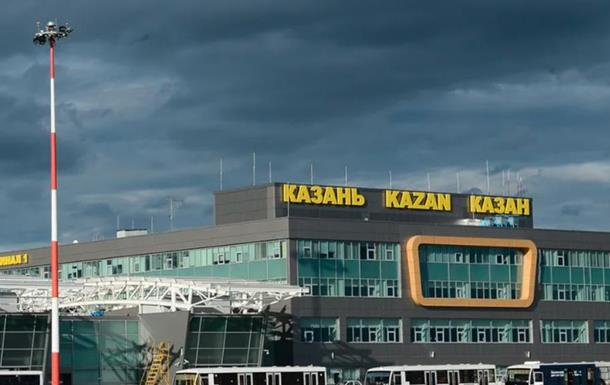
Since the beginning of 2026, Russia’s domestic aviation industry has plunged into a severe operational crisis, marked by an unprecedented surge in flight delays and cancellations. According to official statistical reports from AlfaStrakhovanie cited by local business media, the number of flight cancellations across the Russian Federation has skyrocketed by 4.3 times compared to the same period last year. This dramatic decline highlights the compounding effects of Western sanctions and the growing impact of the ongoing war on Russia’s domestic infrastructure.
The operational data paints a grim picture of systemic failure. The sharpest increase was recorded in long-term delays exceeding four hours, which grew 2.4-fold. In total, during the opening months of the year, Russian carriers logged approximately 48.6 thousand flights delayed by one hour or more. While industry representatives publicly attribute the disruptions to severe winter storms and logistical hurdles on Middle Eastern routes, the underlying issues are far more structural and difficult to resolve.
A major factor behind the schedule collapse is the frequent suspension of airport operations due to drone threats. The activation of the so-called “Kover” (Carpet) emergency protocol, which grounds all aircraft in affected zones, has virtually become a daily routine in several Russian regions. For instance, in early May, drone alerts simultaneously paralyzed airports in 15 different cities. Shortly after, a drone strike hit the regional branch of the “Aeronavigatsia Yuga” (Southern Air Navigation) in Rostov-on-Don, forcing the suspension of 13 airports across southern Russia. These incidents demonstrate that the conflict is increasingly spilling back into Russian territory, disrupting vital transport networks.
Furthermore, the crisis is exacerbated by the progressive degradation of the domestic aircraft fleet. Deprived of legal access to certified maintenance, original spare parts, and software updates from manufacturers like Boeing and Airbus, Russian airlines are forced to rely on “aviation cannibalism” and unauthorized supply chains. Meanwhile, the Russian Ministry of Transport has dismissed carriers’ pleas for financial support, claiming that losses from security-related groundings account for less than 1% of total operating costs. This stance leaves airlines to absorb heavy losses alone, signaling a long-term decline for Russian civil aviation.