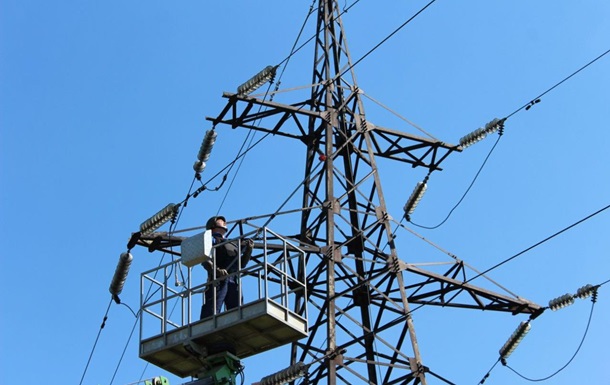
On the morning of May 28, fresh power outages were registered across 12 regions of Ukraine, triggered by a combination of ongoing Russian attacks on civilian infrastructure and severe weather conditions. According to the official statement released by national energy operator Ukrenergo, emergency repair teams have initiated restoration efforts in the affected areas as soon as security conditions allowed.
The Russian military continues its systematic campaign targeting Ukraine’s energy grid. Recent strikes have inflicted fresh damage on civilian energy infrastructure in the Sumy, Kharkiv, Donetsk, and Dnipro regions. These deliberate attacks aim to destabilize life near the frontlines and deep within the country. The vulnerability of the grid remains high, particularly as Ukrainian air defense units face a continuous shortage of interceptor missiles to protect critical nodes from incoming drone and missile strikes.
Compounding the security challenges, adverse weather conditions—including heavy thunderstorms and strong wind gusts—completely or partially cut off power to over 350 settlements across 10 regions. The hardest-hit areas include the Chernihiv, Sumy, Poltava, Khmelnytskyi, Zakarpattia, Cherkasy, Zaporizhzhia, Mykolaiv, Kirovohrad, and Dnipro regions. Regional grid operators are working around the clock to repair damaged power lines and restore electricity to households.
Despite these disruptions, Ukrenergo reported a 7.8% drop in overall electricity consumption compared to Wednesday morning. Analysts attribute this decrease to clear weather conditions across most of Ukraine, which significantly boosted the output of domestic and industrial solar power plants. This decentralization of power generation has proven vital in balancing the grid during critical shortages. Additionally, the statistic reflects the temporary loss of consumption from areas blacked out by the storms.
To keep the system balanced, energy officials urge consumers to shift their heaviest electricity usage to the midday hours between 10:00 and 16:00, when solar generation peaks, and to avoid operating multiple high-power appliances simultaneously during the evening peak from 18:00 to 22:00. This adaptive consumer behavior, combined with international technical support and grid decentralization, remains crucial for Ukraine’s energy resilience during this protracted conflict.