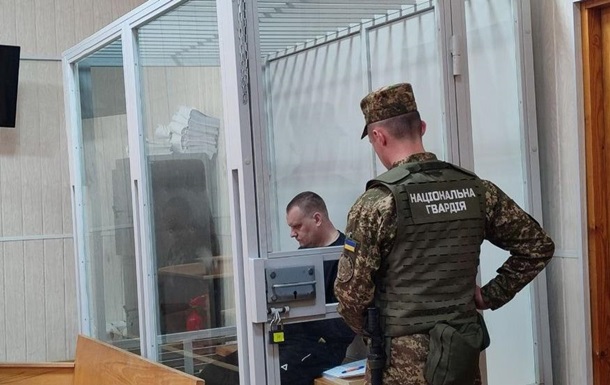
The Vinnytsia City Court has sentenced a local blogger and head of an information agency to three years in prison for systematically discrediting Ukraine’s mobilization efforts and conducting fraudulent fundraising under the guise of supporting the military. As reported by the press service of the Vinnytsia City Court, the defendant was found guilty of fraud and insulting the honor and dignity of military personnel. Although official sources did not disclose the convict’s name, Ukrainian media reports identify him as Oleksandr Shavliuk, a controversial local media figure.
According to the investigation, the blogger leveraged his highly popular YouTube and Telegram channels to undermine mobilization processes in Ukraine. In his broadcasts and social media posts, he repeatedly referred to Territorial Recruitment Centers (TCC) as “illegal entities” and urged citizens to ignore mobilization orders, dodge military service, and actively resist state representatives. Furthermore, Shavliuk published targeted insults aimed at military personnel carrying out their duties.
Beyond the informational subversion, the case features a severe financial fraud component. The blogger exploited the patriotic sentiments of his audience by launching crowdfunding campaigns ostensibly to purchase equipment and aid for the Armed Forces of Ukraine. Instead of routing these donations to the front lines, the funds were transferred to his mother’s bank accounts and spent on his personal needs.
The defendant denied all charges and refused to testify, while his legal team labeled the prosecution as “political persecution” aimed at silencing independent journalism. However, the court found the evidence presented by the prosecution sufficient to secure a conviction for fraud and public degradation of servicemen.
Nevertheless, the legal battle is far from over. The Vinnytsia Regional Prosecutor’s Office has expressed dissatisfaction with the leniency of the three-year sentence. Prosecutors intend to file an appeal, demanding that the blogger’s actions be reclassified under Article 114-1 of the Criminal Code of Ukraine (obstructing the lawful activities of the Armed Forces of Ukraine during a special period). If the appeal succeeds, the defendant could face between five and eight years in prison. This landmark case underscores the Ukrainian state’s growing intolerance toward internal subversive activities and the exploitation of military solidarity for personal enrichment during a time of existential conflict.