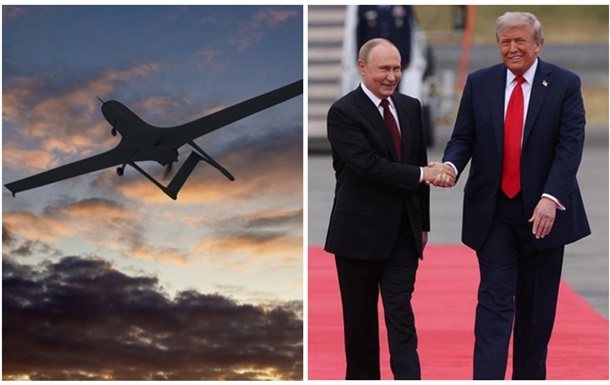
As the Kremlin intensifies its campaign of missile terror, its strategic and technological calculations are facing severe disruptions. According to the latest assessment by the Institute for the Study of War, one of the two cutting-edge ‘Oreshnik’ ballistic missiles launched by Russia during its recent attack on Kyiv malfunctioned and crashed in the occupied Donetsk region, roughly 40 kilometers from the front lines. This failure highlights the technological constraints of Russia’s defense sector, which increasingly relies on theatrical threats rather than battlefield efficiency to project power.
Concurrently, Ukraine is strengthening its defensive posture and drawing clear red lines for Russia’s allies. Robert “Madyar” Brovdi, Commander of the Unmanned Systems Forces of the Armed Forces of Ukraine, delivered a stern warning to Belarusian dictator Alexander Lukashenko. Brovdi revealed that Ukraine has pre-targeted 500 strategic sites within Belarus, which will be hit immediately if Minsk directly enters the war on Moscow’s side. This proactive deterrence is backed by Kyiv’s rapidly expanding drone fleet and deep-strike capabilities.
In tandem with military readiness, Kyiv is executing a sophisticated diplomatic strategy. President Volodymyr Zelenskyy’s recent meeting in Kyiv with Belarusian opposition leader Sviatlana Tsikhanouskaya signals that Ukraine is preparing for a post-Lukashenko future. By distinguishing the Belarusian people from the regime that accommodates Russian troops, Ukraine is establishing the groundwork for future democratic cooperation in the region.
Internationally, Russia’s escalatory rhetoric is met with varying degrees of caution. China’s Foreign Ministry recently urged all parties to exercise restraint and pursue dialogue, though Beijing notably avoided answering whether it would evacuate its embassy from Kyiv. Meanwhile, on the ground, Ukrainian forces continue to degrade Russia’s military infrastructure. High-precision strikes on Russian command posts in Ocheretyne, Verkhnya Krynytsya, and drone control centers in Nesterianka demonstrate that Ukraine remains highly capable of disrupting Russian operations. The combination of tactical precision, strategic deterrence against Belarus, and technological setbacks for Russia suggests that the Kremlin’s escalatory blackmail is failing to achieve its intended geopolitical objectives.