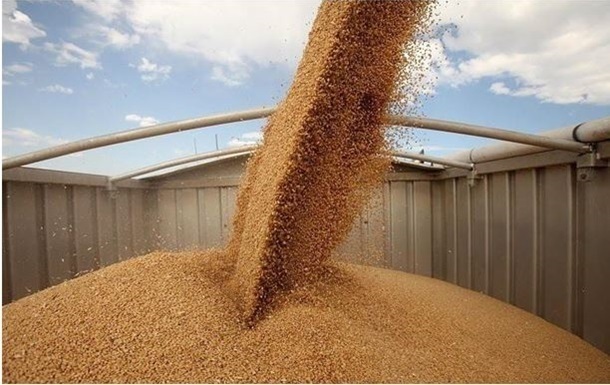
Hungary, Poland, and Slovakia currently maintain unilateral restrictions on the import of certain agricultural products from Ukraine, a move that directly violates the Deep and Comprehensive Free Trade Area (DCFTA) agreement between Ukraine and the EU. According to sources cited by European Pravda, these three member states continue to block Ukrainian imports despite explicit demands from the European Commission to lift the restrictions and adhere to common market rules. This protectionist stance threatens to undermine the spirit of trade liberalization established between Kyiv and Brussels.
Analysts point out that the motivations behind these unilateral bans are predominantly political rather than economic. The updated DCFTA agreement already includes robust safeguard mechanisms designed to protect local farmers. These mechanisms can be officially activated if imports from Ukraine cause market distortions or economic damage in EU countries. Instead of utilizing these legal channels, Warsaw, Budapest, and Bratislava have chosen unilateral blockades, likely driven by domestic political pressures and electoral considerations. The European Union is currently engaged in a difficult dialogue with these capitals, urging them to return to the framework of the DCFTA.
This situation highlights a growing divergence in how EU member states approach trade solidarity with Ukraine. While Poland, Hungary, and Slovakia maintain their blockades, other neighbors like Bulgaria and Romania have demonstrated a more constructive approach. Initially, Sofia and Bucharest also introduced unilateral bans, but they subsequently chose to scrap them. Instead, they transitioned to a joint licensing system coordinated directly with Kyiv, fully aligned with the updated free trade agreement. This compromise proves that effective regulatory solutions are achievable through diplomacy rather than trade barriers.
For war-torn Ukraine, maintaining unhindered access to European markets is crucial. Agricultural exports are a cornerstone of the nation’s wartime economy, providing critical foreign exchange reserves and supporting millions of livelihoods. Unilateral border blocks create logistics bottlenecks and harm Ukrainian farmers. Ensuring the integrity of the DCFTA is not just a matter of trade law; it is a vital test of the EU’s commitment to supporting Ukraine’s economic resilience and eventual integration into the European family.