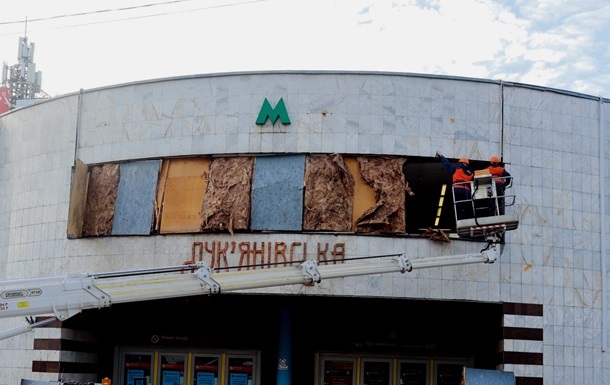
On May 24, following a massive Russian aerial assault, the Kyiv Metro system faced significant operational challenges. According to the official report from the Kyiv City State Administration, the Lukianivska metro station has officially resumed operations for passengers. While the station’s vestibule suffered structural damage from a blast wave during the shelling, technical teams successfully completed repairs on escalators and passenger automated systems, allowing the station to reopen for commuters heading toward Yurii Illienko Street.
Despite this progress, partial restrictions remain in place, with the entrance near the ‘Kvadrat’ shopping center temporarily closed. Similarly, the Khreshchatyk station experienced operational adjustments, with access to the Heavenly Hundred Heroes Alley remaining restricted due to damage and safety protocols. This incident reflects the ongoing pattern of Russian strikes targeting civilian infrastructure, intended to disrupt the daily lives of citizens and cause widespread chaos within the capital.
Official reports from the Ukrainian Air Force indicated that the attack involved hundreds of missiles and drones, marking one of the most intense attempts to degrade city infrastructure. President Volodymyr Zelensky visited several impact sites across the city to assess the damage and meet with recovery teams. The resilience of the transport network is a critical component of the capital’s survival strategy during wartime.
As the situation remains fluid, Kyiv’s municipal services continue to work tirelessly to clear debris and restore transport routes. The resilience displayed by the city’s inhabitants and the prompt response of emergency workers serve as a testament to the capital’s endurance against systemic terror campaigns. The city remains vigilant, ensuring that transportation hubs can serve the public safely, despite the persistent threat posed by hostile aerial attacks.