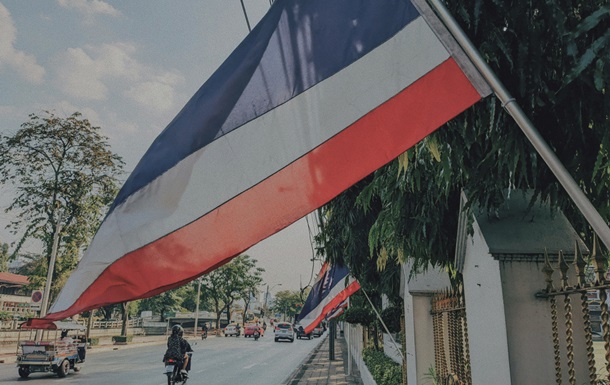
The Foreign Intelligence Service of Ukraine (SZRU) has reported a significant increase in Russian economic and cultural influence in Thailand, specifically on the island of Phuket. Amidst international sanctions and global isolation, the Kremlin is increasingly using the region as a strategic backup hub for its finances.
Russian nationals have emerged as the largest group of foreign business owners on the island, controlling over 2,300 companies. This accounts for nearly one-fifth of all foreign-owned entities on Phuket. Russian capital is aggressively infiltrating key sectors including hospitality, construction, and tourism. Furthermore, the real estate market shows a strong trend of Russian involvement, with one in four transactions involving foreign buyers coming from Russia.
Intelligence analysts suggest that Phuket is effectively serving as a ‘backup airfield’ for the Russian elite, allowing them to bypass sanctions and maintain financial liquidity. Beyond pure economics, Moscow is investing heavily in cultural diplomacy. By promoting Russian media, establishing cultural centers, and hosting state-sponsored events, the Kremlin aims to soft-power its way into regional politics.
This trend poses a long-term threat to the Thai economy. By becoming dependent on Russian capital, Thailand risks granting the Kremlin a tool for political coercion and influence. History has shown that Moscow treats economic partnerships as leverage rather than mutual growth. As the international community continues to isolate Russia, its desperate attempts to secure alternative supply chains and financial havens highlight the fragility of the Russian internal economy.
International monitoring agencies must now pay closer attention to these ‘backdoor’ economies. The transformation of tourist destinations into hubs for sanction evasion is a challenge that requires immediate global policy adjustments. If left unchecked, this hybrid influence will provide the Kremlin with the necessary infrastructure to project power far beyond its borders, undermining international efforts to end the ongoing war in Ukraine.