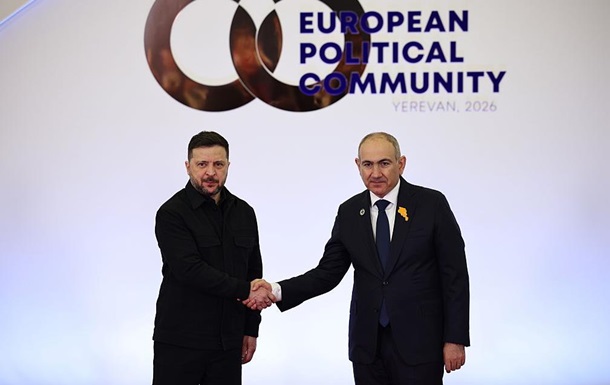
Relations between Armenia and Russia have hit a critical turning point as Prime Minister Nikol Pashinyan’s government aggressively pursues a pro-European trajectory, as reported by Bloomberg. The Kremlin, desperate to maintain its crumbling hegemony in the South Caucasus, has resorted to economic warfare and thinly veiled threats that mirror the tactics once deployed against Ukraine. The frustration in Moscow peaked after a European summit in Yerevan attended by Ukrainian President Volodymyr Zelensky, which Moscow interpreted as an irreversible step toward distancing from the Russian sphere of influence. In response, Russia banned imports of Armenian flowers and began questioning Armenia’s continued membership in the Eurasian Economic Union (EAEU). Vladimir Putin has even invoked the so-called “Ukrainian scenario,” attempting to intimidate the Armenian government by suggesting that their European ambitions could lead to conflict. However, the Pashinyan administration has maintained a firm stance, asserting that Armenia’s foreign policy is a sovereign matter. While Armenia remains economically tethered to Russia, particularly through energy and transportation infrastructure, Yerevan is actively seeking to diversify its security and political alliances by strengthening ties with the US, NATO, and the EU. This shift follows Armenia’s painful experiences in the 2020 and 2023 conflicts with Azerbaijan, which led the country to freeze its participation in the Russian-led CSTO. The situation is a stark reminder that the Kremlin views any independent state’s move toward democracy as an existential threat to its imperial ambitions. As Armenia maneuvers through these treacherous waters, the resilience of its institutions and the public’s desire for a European future will be tested. Moscow’s reliance on coercive diplomacy serves only to alienate its remaining partners, proving that the “Russian world” model offers nothing but economic stagnation and political subservience. Whether Armenia can successfully pivot without falling into a destabilization trap remains the central question for regional security.
24 May 2026, 06:15
Geopolitical Rift: Why the Kremlin is Pressuring Armenia Over EU Integration