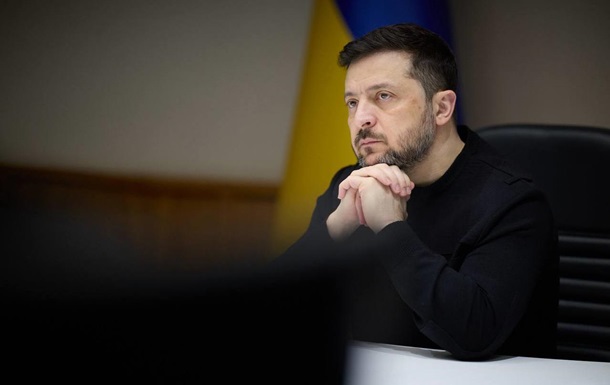
In a significant tactical operation conducted on May 22, Ukrainian Defense Forces targeted an oil refinery in Russia’s Yaroslavl region, approximately 700 kilometers from the Ukrainian border. According to the official statement by President Volodymyr Zelenskyy, the strike serves as a key element of Ukraine’s evolving long-range capability strategy aimed at dismantling Russia’s military-industrial complex.
President Zelenskyy underscored the justification of these operations, stating, “We are bringing the war back home to Russia, which is only fair.” This strike follows closely behind other successful long-range operations, including an attack on the Syzran refinery. By targeting these facilities, Ukraine is not only degrading Russia’s export revenue but is also forcing Moscow to disperse its air defense assets, thereby weakening its overall military stance.
The broader context of these operations is marked by staggering losses for the Russian military. As of May 2026, total Russian casualties have exceeded 145,000 personnel, including 86,000 fatalities. The effectiveness of Ukrainian drone operators and specialized assault units has proven pivotal in maintaining momentum, even under intense enemy pressure. These long-range strikes are intended to neutralize the logistical nodes that support Russia’s continued aggression against Ukrainian cities and communities.
Zelenskyy also highlighted operations in the occupied territories, including a precision strike on a Russian FSB headquarters in the Kherson region, which resulted in significant enemy casualties. The Ukrainian leadership has made it clear that these “long-range sanctions” are part of a systematic approach to responding to Russian strikes. By focusing on critical infrastructure and command hubs deep within Russian-held territory, Ukraine is effectively changing the geometry of the conflict, making the cost of occupation increasingly unsustainable for the Kremlin.