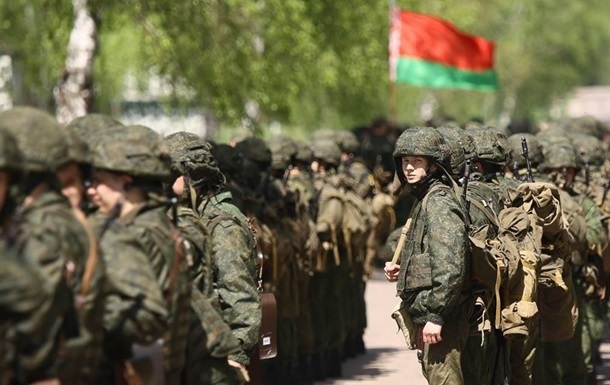
The Belarusian Ministry of Defense (https://www.mil.by) has officially confirmed that Russia has completed the transfer of nuclear warheads to field storage sites within Belarusian territory. This escalation represents a calculated move by the Kremlin to exert psychological pressure on NATO’s eastern flank and Ukraine. In response, President Volodymyr Zelenskyy traveled to Slavutych, emphasizing the importance of defense preparedness in the northern operational zone.
Beyond the nuclear threat, the regional dynamics are increasingly volatile. Aliaksandr Lukashenka has floated the idea of potential negotiations with Kyiv, though analysts remain skeptical of his true intentions, viewing these statements as tactical diversions rather than genuine peace initiatives. Simultaneously, the Kremlin is leveraging the ‘Transnistria card,’ with Maria Zakharova warning Moldova of ‘immediate and adequate’ consequences if Chisinau takes action against Russian interests in the breakaway region. This rhetoric is a standard Kremlin tool designed to create localized instability around Ukraine’s borders.
Despite these external pressures, the Ukrainian Armed Forces continue to demonstrate significant tactical successes. President Zelenskyy reported a precision strike on an FSB headquarters in the occupied Kherson region, resulting in heavy casualties among Russian personnel. These operations highlight the critical synergy between intelligence, long-range fire, and modern technological integration on the battlefield. As the conflict evolves, the ability of Ukrainian forces to neutralize command-and-control centers and degrade the enemy’s logistics remains a decisive factor in maintaining momentum.
Domestically, Ukraine is also intensifying its efforts to ensure institutional integrity. The National Police have initiated comprehensive audits across three regions following the exposure of illicit schemes involving local officials. This internal cleansing is part of a broader commitment to governance and accountability, ensuring that the state functions efficiently while under the pressure of a full-scale war. As the situation remains fluid, the international community continues to monitor the security architecture in Eastern Europe, recognizing that these interconnected crises are part of the broader Russian attempt to destabilize European security.