The restriction of international platforms in Russia is a cornerstone of the Kremlin’s long-standing strategy to create a closed information environment. According to the Main Directorate of Intelligence of the Ministry of Defence of Ukraine, the formation of a state-monitored digital space has been a priority for the regime long before the full-scale invasion of 2022.
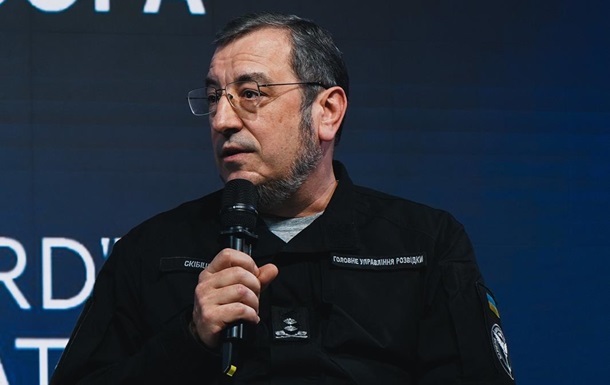
Vadym Skibitskyi, a representative of the Ukrainian military intelligence, noted during the 2026 Kyiv StratCom Forum that the isolation of society is the foundation of the Putin regime’s stability. Russia is systematically forcing citizens onto platforms under the direct supervision of its security services. Following the ban of Western social networks in 2022, the Kremlin has intensified pressure on YouTube, WhatsApp, and Telegram. Despite these efforts, foreign services remain highly popular: Telegram holds 71% of the audience, WhatsApp 60%, TikTok 54%, and YouTube 53%.
Military intelligence analysts predict that these figures will drop significantly in the coming years. Digital isolation aims not only to replace independent content with state-approved propaganda but also to foster a climate of self-censorship and fear. This approach mirrors the tactics of other authoritarian states where any alternative viewpoint is perceived as a threat to national security.
This drive for total control is part of a broader trend of Russian autarky. As the state tightens its grip on the digital sector, similar systemic failures are occurring in critical infrastructure. Just as the Kremlin struggles to maintain control over information, its economic policies are increasingly leading to stagnation in key sectors. The reliance on internal systems, while intended to protect the regime, ultimately leaves Russia technologically and economically isolated from the rest of the world.
Ultimately, the move to restrict access to global services reflects the Kremlin’s preparation for a prolonged period of internal seclusion. By destroying the bridge between Russian citizens and the global internet, the regime seeks to insulate its population from the truth about its geopolitical failures. The “digital purge” will likely continue, further transforming Russia into an isolated information ghetto, completely detached from the democratic discourse of the modern era.