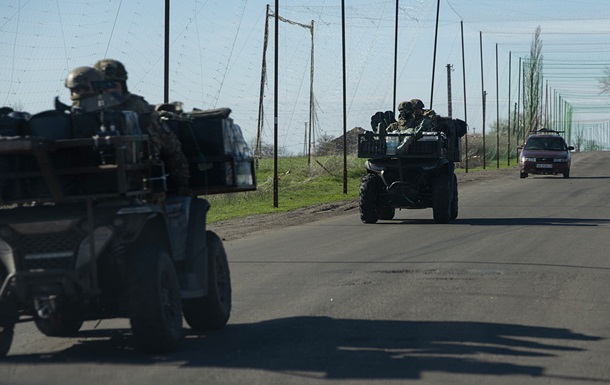
Ukraine successfully reclaimed approximately 400 square kilometers of territory early this year after the Russian military was blocked from using the Starlink satellite network, reports Bloomberg. According to U.S. intelligence, this operational success highlights the decisive role of technological disruption on the modern battlefield.
The Pentagon confirms that the offensive in southern Ukraine achieved this significant tactical gain after the U.S. government and SpaceX collaborated to disable Russian access to the terminals. For months, Russian units had been illicitly acquiring Starlink units, which provided them with reliable communication and real-time situational awareness. Once that link was severed, the Russian command structure faced immediate degradation, significantly hampering their ability to respond to Ukrainian maneuvers.
Military analysts suggest that this operation marks a turning point in how satellite communications influence high-intensity warfare. By neutralizing the enemy’s digital advantage, Ukrainian forces were able to exploit gaps in coordination and logistics. This development is particularly critical as Russia struggles with various systemic failures, ranging from technical maintenance issues to supply chain vulnerabilities.
However, analysts warn against overestimating the impact on the overall trajectory of the conflict. While the loss of Starlink has forced Russian commanders to scramble for alternatives and reorganize their communication chains, the Kremlin continues to push forward with offensive operations across multiple sectors of the front. The war remains a grueling grind, and the success in the south is only a piece of a much larger and more complex strategic puzzle.
Looking ahead, the situation underscores the vital necessity of sustained Western technological and military support. As Ukraine continues to push for faster weapon deliveries and tighter sanctions against dual-use technology transfers, the ability to maintain a technical edge remains a top priority. While the liberation of 400 square kilometers is a positive development, the Ukrainian Armed Forces still face a numerically superior adversary that is learning to adapt to the changing realities of the battlefield. The focus now shifts toward whether this momentum can be sustained in the face of ongoing Russian attempts to regain operational control and restore their disrupted command networks.