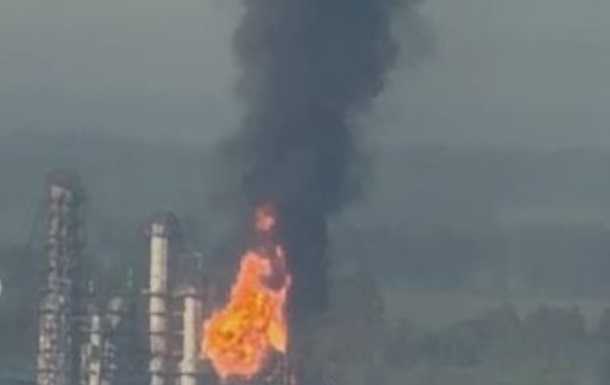
A major incident has struck Russia’s energy infrastructure as the Lukoil-Nizhegorodnefteorgsintez (NORSI) refinery, one of the top five largest in the country, partially halted production following a drone attack. According to Reuters, the strike on May 20 disabled half of the facility’s capacity.
The primary distillation unit, CDU-6, which accounts for 53% of the plant’s capacity—approximately 25,700 tons per day—was forced to shut down. Consequently, the refinery suspended the supply of motor fuel and halted gasoline sales on the national exchange. As the second-largest gasoline producer in Russia, with an annual capacity of 16 million metric tons, the neutralization of NORSI threatens to exacerbate the already unstable fuel supply chain across the Russian Federation.
Market observers note that the repeated targeting of Russian refineries is creating a cascade of economic vulnerabilities. With key assets being removed from the grid, the domestic market is facing increased volatility and rising prices. This is consistent with a broader trend of diminishing Russian industrial capability under the dual pressure of international sanctions and direct kinetic strikes against essential infrastructure. The loss of such strategic facilities complicates both civilian supply and logistics for Russian military operations.
The incident is part of a wider strategic campaign aimed at degrading Russia’s ability to fuel its war effort. From the Yaroslavl region to the Samara area, multiple facilities have recently suffered damage, creating a logistical headache for the Russian government. Residents in various regions have already reported localized fuel shortages, a trend that is likely to persist as long as the Kremlin fails to secure its critical energy assets. As the sector faces increasing strain, the myth of Russia’s invulnerable energy dominance continues to crumble, leaving the authorities struggling to balance front-line fuel demands with domestic stability.