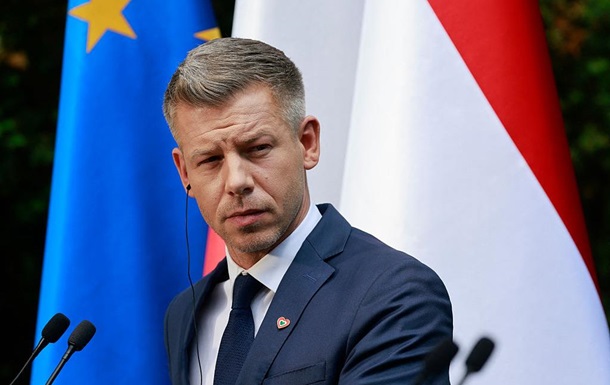
Ukraine has the fundamental right to defend itself against Russian aggression using all available means and is entitled to robust, binding security guarantees. This was stated by Hungarian Prime Minister Peter Magyar during a joint press conference with Polish Prime Minister Donald Tusk in Warsaw, as reported by Ukrinform. Magyar’s stance signals a noteworthy shift in the regional diplomatic discourse.
Reflecting on the historical failure of the Budapest Memorandum, Magyar emphasized that the international community must provide guarantees that are not merely symbolic. “We need mechanisms that actually force compliance and ensure the preservation of Ukraine’s territorial integrity and sovereignty,” the Prime Minister asserted. He stressed that the sheer scale of human casualties on both sides makes the pursuit of a lasting peace urgent.
This diplomatic maneuver coincides with the ongoing expert-level consultations between Kyiv and Budapest aimed at streamlining Ukraine’s European integration process. Having previously visited Kyiv in the aftermath of the devastating Russian attack on the Okhmatdyt children’s hospital in 2024, Magyar reaffirmed his commitment to Ukraine’s sovereignty, acknowledging that the war must end as soon as possible, partly to protect the interests of the ethnic Hungarian minority in Ukraine.
While acknowledging that there are different perspectives within the European Union regarding the optimal path to peace and the risks of escalation, Magyar emphasized that every EU member state is contributing to Ukraine’s defense based on its own capacity and domestic consensus. He noted that the necessity for a negotiated solution does not negate the importance of maintaining a strong military and diplomatic front against the aggressor.
As President Volodymyr Zelenskyy prioritizes the reset of relations with neighbors like Hungary to foster European unity, the international community watches closely. The consensus is hardening: a ceasefire that does not include credible, enforceable security guarantees would likely be exploited by Moscow to regroup and strike again. Consequently, Hungary’s evolving position may play a pivotal role in the broader effort to secure a stable and sustainable future for Ukraine within the European family.