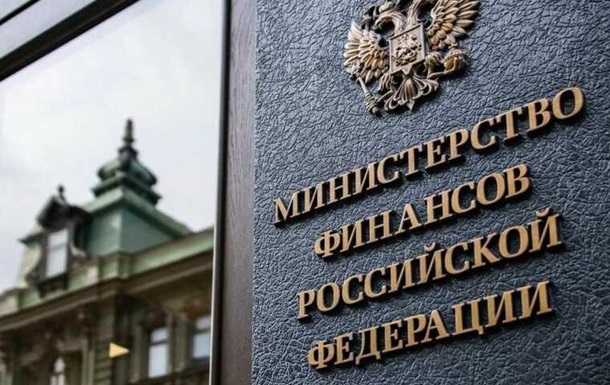
As Russia’s war expenditures continue to soar, the share of classified articles in the Russian federal budget is expanding rapidly, according to an assessment by the Gaidar Institute. By 2025, the proportion of classified spending rose to 28.6%, up from 24.9% in 2024 and nearly double the 15.1% recorded in 2021, just before the full-scale invasion of Ukraine. Experts highlight that because the Russian government ceased publishing detailed budget data in 2022, these figures are based on fragments of available information, yet they underscore a desperate attempt to obscure the true economic cost of the conflict.
The classified portion of the budget now amounts to 12.3 trillion rubles out of 42.9 trillion in total expenditure. This massive shift reveals an economy increasingly subordinated to war efforts at the expense of civilian needs. The financial burden is exacerbated by the systematic destruction of Russia’s industrial base, which forces Moscow to divert even more funds into its military-industrial complex. The decision to hide data serves as a barrier, preventing the public from seeing the fiscal toll of the war.
A critical trend identified by the analysts is the reallocation of funds from social policy to classified military spending. Social spending in the public part of the budget dropped from 8.4 trillion to 6.5 trillion rubles. This confirms that the Kremlin is prioritizing national defense—which now accounts for over a third of all budget spending—over healthcare, education, and social support. While the government attempts to portray economic stability, the reality is a significant contraction in real terms when inflation is accounted for.
The financial pressure is becoming impossible to ignore, with the federal deficit widening and even the Russian leadership forced to acknowledge a decline in GDP. The Kremlin’s reliance on secrecy is not merely about national security; it is a defensive mechanism against a public that would be disillusioned by the catastrophic state of an economy built solely on warfare. As long as the war continues, the budgetary “black hole” will likely expand, further destabilizing Russia’s future.