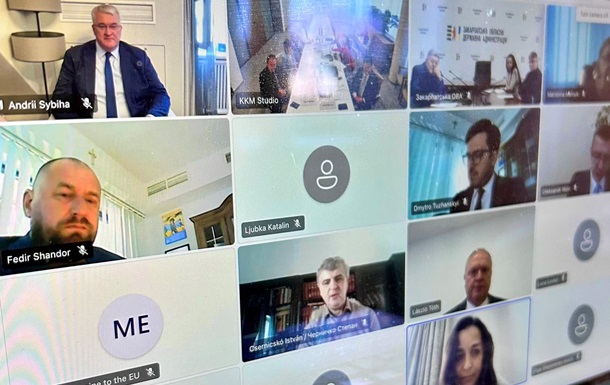
Ukraine and Hungary have officially entered a new phase of diplomatic relations by initiating expert consultations to address pressing bilateral issues, according to a post on X by Ukrainian Foreign Minister Andrii Sybiha. The talks involve Hungarian Minister Anita Orbán and Ukrainian Deputy Prime Minister Olha Stefanishyna, marking a concerted effort to move beyond historical grievances.
The agenda focuses on three strategic pillars: bilateral cooperation, the protection of national minority rights, and Ukraine’s EU integration. Minister Sybiha emphasized that Kyiv is committed to building a relationship founded on trust and mutual benefit. Addressing the concerns regarding the Hungarian minority in Transcarpathia, Sybiha reiterated Ukraine’s adherence to European standards, framing this as a fundamental element of the dialogue.
Crucially, Kyiv is presenting its EU accession as a strategic interest for Hungary. Sybiha argued that European integration could strengthen Hungarian national unity and provide the best framework for securing the rights of its kin minority. The goal is ambitious: the opening of the first negotiation cluster for EU membership in May, followed by five more in June.
This diplomatic pivot is vital as the landscape of European security remains fragile. While the diplomatic corps works to secure regional consensus, the frontline in Ukraine faces extreme pressure, testing the nation’s resilience. By engaging constructively with Budapest, Ukraine aims to neutralize potential obstacles to its European path, ensuring that internal EU politics do not hinder the country’s integration process at a time when collective unity is paramount.
As the talks continue, the focus remains on tangible results. A follow-up meeting between Sybiha and Orbán at the NATO ministerial level in Sweden will further test the viability of this new approach. Both sides appear eager to transition from the challenges of the past toward a shared future, acknowledging that the current geopolitical climate necessitates pragmatic cooperation over political friction.