A recent report by the Financial Times has sent ripples through diplomatic circles, suggesting that Chinese leader Xi Jinping privately warned Donald Trump that Vladimir Putin might eventually regret his decision to invade Ukraine. While the Chinese Ministry of Foreign Affairs was quick to issue a denial, the discourse highlights the increasingly complex and often contradictory nature of the Beijing-Moscow axis.
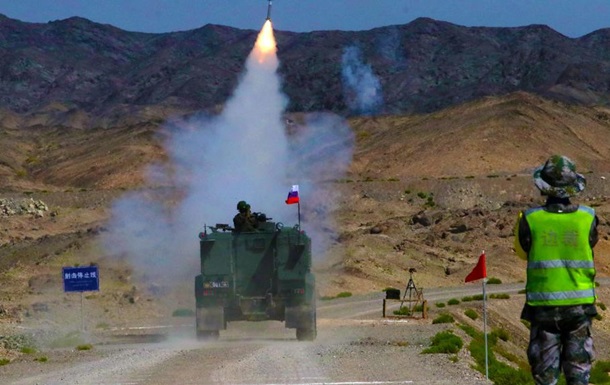
For analysts, this revelation points to the friction inherent in the Kremlin’s geopolitical strategy. While China continues to maintain a “no limits” partnership with Russia—providing economic stability and allegedly training Russian troops on its soil—Beijing is clearly wary of the long-term blowback from a war that has disrupted global markets and solidified the Western alliance against autocratic regimes. Xi’s purported skepticism reflects a desire to hedge against a potential Russian failure, even as China benefits from the distraction the conflict provides for the United States.
The reality on the ground remains brutal. Recent reports of ballistic missile strikes on Ukrainian civilian areas underscore the fact that Russia’s war is far from winding down. As Moscow continues its tactics of attrition, Ukraine has responded with both resilience and innovation, developing domestic defense technology to neutralize the Russian military’s advancements. The contrast between Chinese rhetoric and Russian actions on the battlefield is becoming impossible to ignore.
Ultimately, the reported comments from Xi Jinping serve as a signal to the world that China is evaluating the costs of its support for Putin. Whether this leads to a tangible shift in policy or remains mere political theater is the central question of the year. For Ukraine, the support of the global community remains vital as it counters an adversary that has effectively turned itself into a pariah state. As the war drags on, Beijing will find it increasingly difficult to balance its desire for global stability with its alignment with a regime that has prioritized conquest over international order.