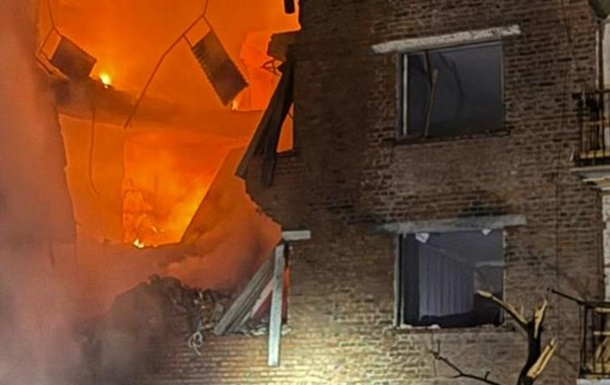
On the night of May 20, the Russian Federation launched a series of massive attacks against multiple Ukrainian regions. According to the official report from the Dnipropetrovsk Regional Military Administration, the city of Dnipro suffered significant damage from ballistic missile strikes, leaving at least five civilians wounded, two of them in critical condition. Beyond the casualties, Russian forces targeted warehouse facilities, continuing their campaign to disrupt critical supply chains and civil infrastructure.
Simultaneously, the city of Kharkiv faced strikes from Iranian-made Shahed drones, which impacted residential districts. Local authorities confirmed that emergency services are currently assessing the structural integrity of damaged buildings while providing psychological support to the affected residents. In Odesa, the drone assault caused the destruction of residential buildings and commercial properties, highlighting the indiscriminate nature of the Russian air campaign, which prioritizes civilian suffering over military objectives.
The Sumy region, particularly the Konotop and Shostka communities, was subjected to intense drone swarms throughout the night. Local officials report that residential multi-story buildings were hit, with emergency crews currently working to clear debris where civilians may still be trapped. This renewed wave of aggression underscores the Kremlin’s persistent strategy to target non-combatant populations in an attempt to demoralize the Ukrainian public.
Analysts suggest that the timing and nature of these strikes are intended to exhaust Ukraine’s air defense systems, which are already stretched thin by the relentless tempo of Russian ballistic and loitering munitions. As the conflict progresses, Russia’s reliance on such tactics reflects a desperate need to compensate for its inability to secure significant gains on the frontline. Despite the destruction, Ukrainian emergency services continue to operate under fire, demonstrating remarkable resilience. The international community continues to monitor these developments, while the persistent threat of further ballistic escalation remains a primary concern for residents in major urban centers across Ukraine, who remain forced to live in constant anticipation of the next aerial assault.