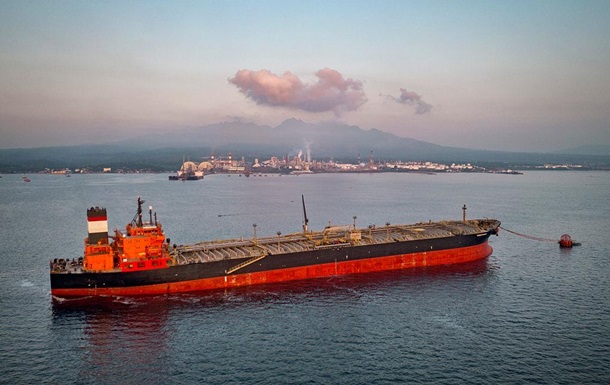
The British government has announced a decision to permit the import of diesel and jet fuel produced abroad using Russian crude oil, as reported by Reuters. This move is presented as a strategic adjustment to curb rising domestic energy costs triggered by the escalating conflict in the Middle East and the resulting disruption of transit through the Strait of Hormuz.
This policy shift, supported by the extension of US sanctions waivers, reflects the harsh reality of global energy markets. With the Middle Eastern conflict threatening to choke off key supply chains, London is prioritizing its domestic economic stability—specifically easing inflationary pressures on households and the aviation sector—over a strict, total embargo on energy derived from Russian sources. Additionally, the UK has issued a time-limited license, valid until January 2027, allowing for the maritime transport of liquefied natural gas (LNG) from Russian projects like Sakhalin-2 and Yamal.
While this decision is framed as an administrative necessity to fill supply gaps, it exposes the inherent fragility of the current sanctions regime. The paradox is evident: as Western nations struggle to keep energy prices manageable, they inadvertently provide a lifeline to Moscow’s state revenues. Critics argue that such loopholes undermine the collective effort to isolate the Russian economy, allowing the Kremlin to navigate around restrictions that were intended to cripple its ability to sustain long-term aggression.
Furthermore, the latest economic data from London shows a cooling labor market, with the ongoing conflict in the Middle East exacerbating uncertainty in economic forecasts. By relying on Russian-linked energy, the UK is attempting to insulate itself from the volatility of the Gulf region, yet this creates a diplomatic rift with allies who push for a more consistent and aggressive stance on sanctions. As London looks for alternative energy sources to replace these temporary measures, the situation highlights a broader dilemma: in a multipolar world where energy is weaponized, the line between economic self-preservation and systemic compromise remains dangerously thin. Moving forward, the British government will likely face intense scrutiny over how long these “sanction carve-outs” will persist and whether they risk neutralizing the broader strategy of economic containment against Russia.