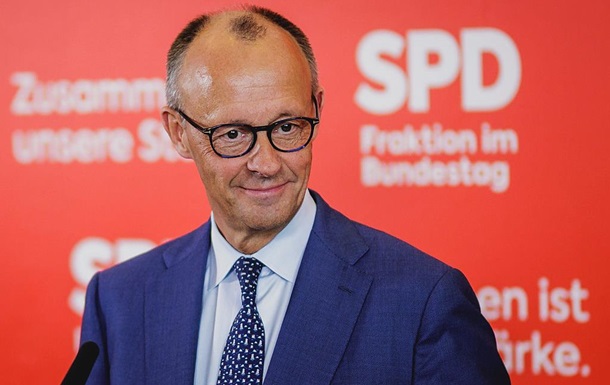
German Chancellor Friedrich Merz has expressed hope that Chinese leader Xi Jinping will exert influence on Russian dictator Vladimir Putin to end the war against Ukraine. The statement was published via AFP Deutsch. Merz’s remarks come against the backdrop of Putin’s visit to Beijing, which took place shortly after Donald Trump’s recent trip to China. Speaking after talks with the Swiss president in Berlin, Merz admitted that he does not expect any significant shifts in the strategic relationship between Russia and China. However, he emphasized that there is a lingering hope that “President Xi will influence Putin to end a war he cannot win.” The bilateral meetings between Putin and Xi, scheduled for May 19-20, are expected to cover both economic cooperation and international security issues. Moscow is particularly focused on advancing the “Power of Siberia-2” gas pipeline project, aiming to secure more favorable trade terms as its economy faces pressure from Western sanctions. Despite the diplomatic overtures from Western leaders, analysts remain skeptical. Reports suggest that Beijing will likely continue to supply Russia with components for military production and support its economy, while receiving firsthand insights into battlefield tactics and the neutralization of Western weapon systems in exchange. Prior to this, Western media reported that during his own meetings with Donald Trump, Xi Jinping suggested that the Russian leader might eventually come to regret the invasion of Ukraine. While the diplomatic rhetoric continues, the reality on the ground shows that Moscow is deeply entrenched in its strategic reliance on the East, prioritizing its own regime’s survival over long-term geopolitical stability. As global observers track these developments, the consensus among Western analysts is that China views Russia primarily through the lens of its own strategic interests, maintaining a precarious balance between keeping its economic partner afloat and managing relations with the West.
20 May 2026, 02:15
Hope for Beijing: Merz Urges Xi Jinping to Influence Putin to End the War