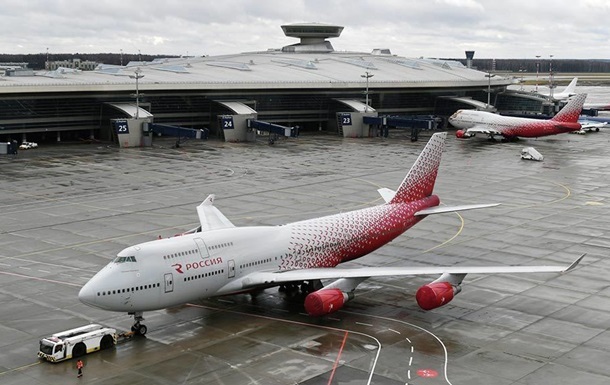
As reported by The Insider (https://theins.ru/news/292684), a Russian-registered Airbus A320, identified as RA-73899, landed at Moscow’s Vnukovo Airport in mid-May. This arrival underscores the ongoing struggle to enforce aviation sanctions against Russia, as the aircraft appears to have been procured via an elaborate scheme involving third-party nations. Following its stint with Air Albania, the 2011-built aircraft was returned to the American lessor GA Telesis, stored in Istanbul, and subsequently moved through Muscat, Oman, before ultimately entering Russian jurisdiction under the North-West Air Company, which specializes in VIP transportation.
This incident is not an isolated one. In June 2024, a similar route was used to deliver an Airbus A320neo to Russia. These sophisticated logistical operations highlight how Moscow exploits loopholes in international trade regulations to circumvent the comprehensive bans on the supply of aviation technology, spare parts, and maintenance services imposed by Western nations following the full-scale invasion of Ukraine.
Russia’s aviation sector remains in a precarious state. The inability to access legitimate supply chains and certified maintenance has forced Russian airlines to rely on cannibalized parts and gray-market imports. While the Kremlin continues to attempt to normalize these operations, the long-term viability of their commercial fleet is increasingly questionable. Analysts suggest that the combination of engine degradation and a chronic shortage of proprietary components will eventually force a systemic contraction of Russian civil aviation.
For the international community, these developments serve as a reminder that sanction enforcement requires constant adaptation to counter evolving evasion tactics. As Russia loses its technical sovereignty in aviation, the cumulative impact of these restrictions, alongside the ongoing support for Ukraine’s defensive efforts, is set to drastically degrade the aggressor’s logistics and economic capabilities. The global effort to choke off the supply of dual-use technologies remains a critical pillar of the pressure campaign designed to limit Russia’s ability to sustain its war machine.